

School shootings continue to be one of the most tragic and complex forms of violence in education. The events, while in different countries, cultures and time periods, raise similar questions about student well-being, school safety, bullying, mental health and access to weapons. Three such cases that have gained public attention are the Columbine High School massacre (1999), the Abundant Life Christian School (ALCS) shooting (2024), and the San Jose National High School shooting (Tacloban City, 2026).
Columbine High School Shooting (1999)

The attack was perpetrated by two high school senior students, Eric Harris and Dylan Klebold, at Columbine High School in the state of Colorado, United States, on 20 April 1999. The gunmen, who were armed with guns and explosives, then killed themselves after killing 13 people and wounding more than 20 others.
The Columbine shooting marked a turning point in the history of school violence. Investigators said the attack had been planned for months. In the years after the tragedy, a flurry of research emerged on school safety, bullying, mental health, youth violence and threat assessment programs.
The incident also spawned many myths and misconceptions. Some observers tried to connect the assault to music, clothing or youth subcultures, such as the industrial rock band KMFDM. But investigators found no evidence that any one music group, fashion style or cultural influence was responsible for the attack. The band itself denounced the violence publicly.
Abundant Life Christian School Shooting (ALCS) (2024)
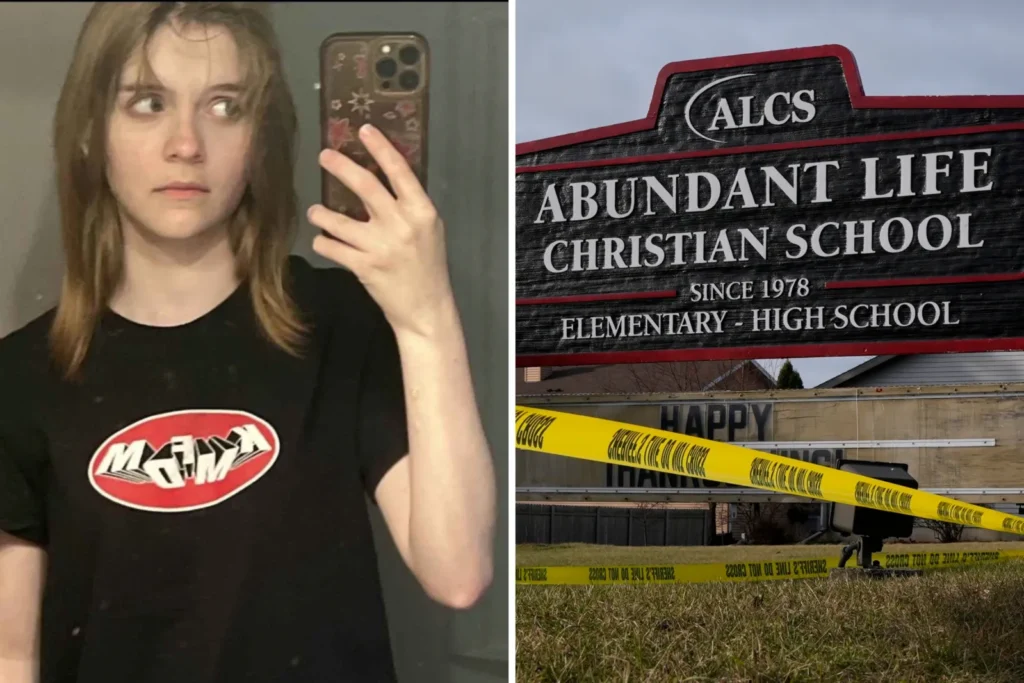
More than two decades later, another school shooting shocked the United States. December 16, 2024 – Abundant Life Christian School shooting, Madison, Wisconsin.
The 15-year-old gunman opened fire inside the school, killing a teacher and a student and injuring several others before taking his own life. The incident has once again brought to the fore concerns about youth violence, school safety and mental health of adolescents.
In the case, investigators looked for a motive as they searched for a warning sign before an act of violence, which the case underscored as still difficult. Educators, parents and law enforcement agencies renewed calls for stronger intervention programs, mental health support and improved avenues for reporting threats.
San Jose, Tacloban City School Shooting (2026)

One of the most disturbing incidents of school violence in the Philippines occurred on June 22, 2026, at San Jose National High School in Tacloban City, Leyte.
Police reports say two students opened fire inside the school, killing three students and wounding 11 others. The shooting sent shockwaves across the country, where school shootings remain relatively rare compared to many other parts of the world. Authorities recovered two firearms used in the attack: a 9mm Glock pistol that was reportedly issued to a female police officer who is the aunt of one of the suspects, and a .38-caliber revolver registered to a security agency based in Cebu City. Investigators are now examining how the weapons came into the possession of the students.
Initial reports suggested that the suspects claimed they had experienced bullying, although authorities continue to investigate the full circumstances surrounding the attack. Investigators are also looking into possible lapses in firearm security and accountability that may have allowed the weapons to be accessed by minors.
The tragedy sparked nationwide discussions about school security, mental health services, student welfare, and anti-bullying initiatives. Government agencies, local authorities, and educational institutions mobilized support services for students, families, teachers, and affected communities.
Similarities Between the Three Incidents
These events occurred decades apart and in different countries but there are a number of recurring themes.
In all three cases, there were discussions first about the emotional and mental health struggles some young people may experience. Second, each tragedy has raised questions about identifying warning signs before violence erupts. Third, they underscored the terrible cost paid by students, families, educators, and communities as a whole in the face of school violence.
At the same time, experts are cautioning against oversimplified conclusions. School shootings are typically the result of a confluence of factors, not a single cause. Similar clothing, music preferences, online content or cultural interests do not automatically establish a direct connection between separate incidents.
Lessons for Tomorrow
The stories of Columbine, Madison and Tacloban underscore the significance of prevention, early intervention and community involvement. Schools can enhance anti-bullying programs, increase counselling services, encourage the reporting of threats, and build safe, supportive learning environments where students feel seen and valued.
It is essential for parents, teachers, mental health professionals and law enforcement agencies to identify risks and intervene before problems escalate to violence.
Each tragedy has a different set of unique circumstances, but the lesson is clear: protecting students takes vigilance, compassion, communication and a collective commitment to building safer schools for generations to come.