



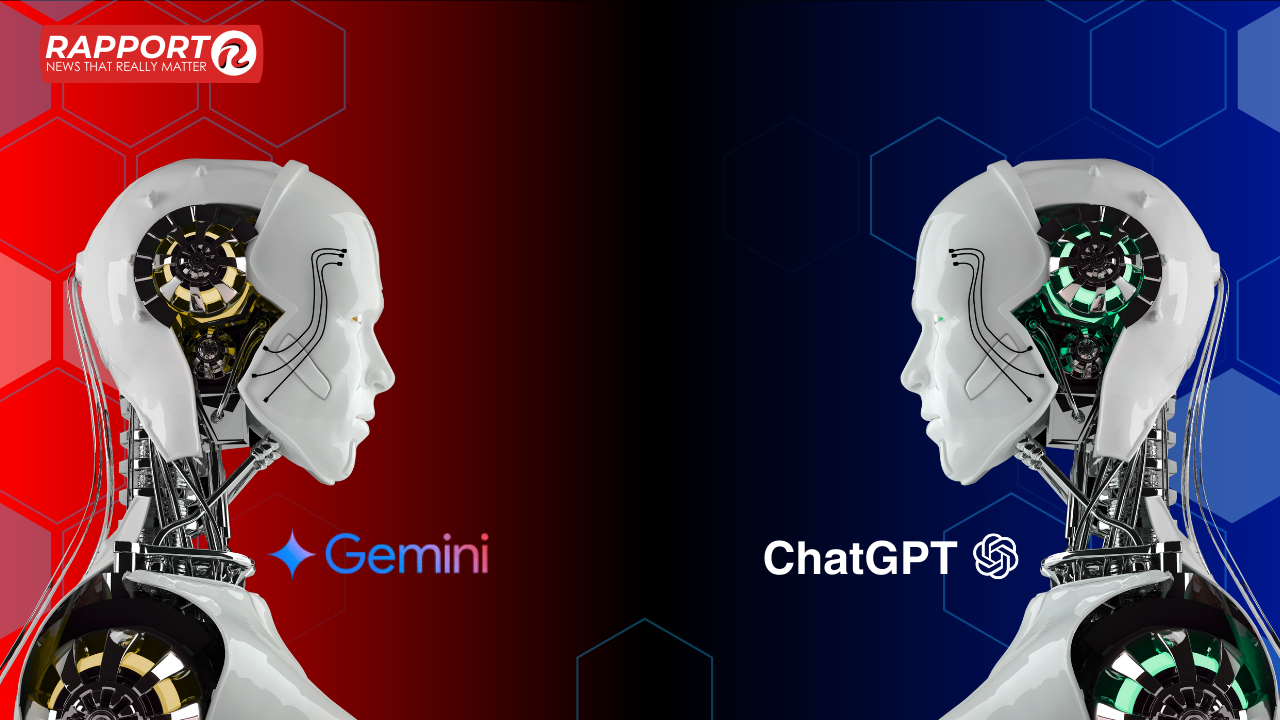
Google’s Gemini App has officially surpassed OpenAI’s ChatGPT as the most downloaded free app in the U.S. Apple App Store, marking a major milestone in the battle for AI dominance. The surge is fueled by Nano Banana, a new feature that lets users turn their selfies or prompts into lifelike 3D figurine-style images.
Launched in late August, Nano Banana has become a social media sensation. Users upload a photo or type a detailed prompt, and Gemini transforms it into a miniature 3D figurine with dramatic lighting, textures, and realistic shading.
The trend has exploded online, with millions of people sharing their Nano Banana creations on platforms like Instagram and X. According to Google, the feature has already powered hundreds of millions of edits.
How It Works
Creating a Nano Banana image is simple:
- Upload a photo or enter a prompt into the Gemini app.
- Customize details like background, pose, and lighting.
- Generate and download the 3D figurine-style image to share instantly.

Its ease of use and visually striking results have made it especially popular with younger users and casual creators.
Why It Matters
Gemini’s rise shows a clear shift in consumer AI demand. While ChatGPT remains the leader in conversational AI, Nano Banana proves that visual creativity and shareability are powerful growth drivers. The success also boosted Alphabet’s market momentum, with investors viewing Gemini’s App Store climb as proof of Google’s competitive edge in the AI race.
The Bigger Picture
The Nano Banana craze is more than a passing trend—it reflects how AI apps are now competing not just on intelligence, but on viral, culture-shaping features.
Whether Gemini can hold its No. 1 spot will depend on sustained innovation, image quality, and how it handles privacy concerns. But for now, one thing is clear: Google with its Gemini’s Nano Banana has shown that a single viral feature can shake up the AI leaderboard overnight.