
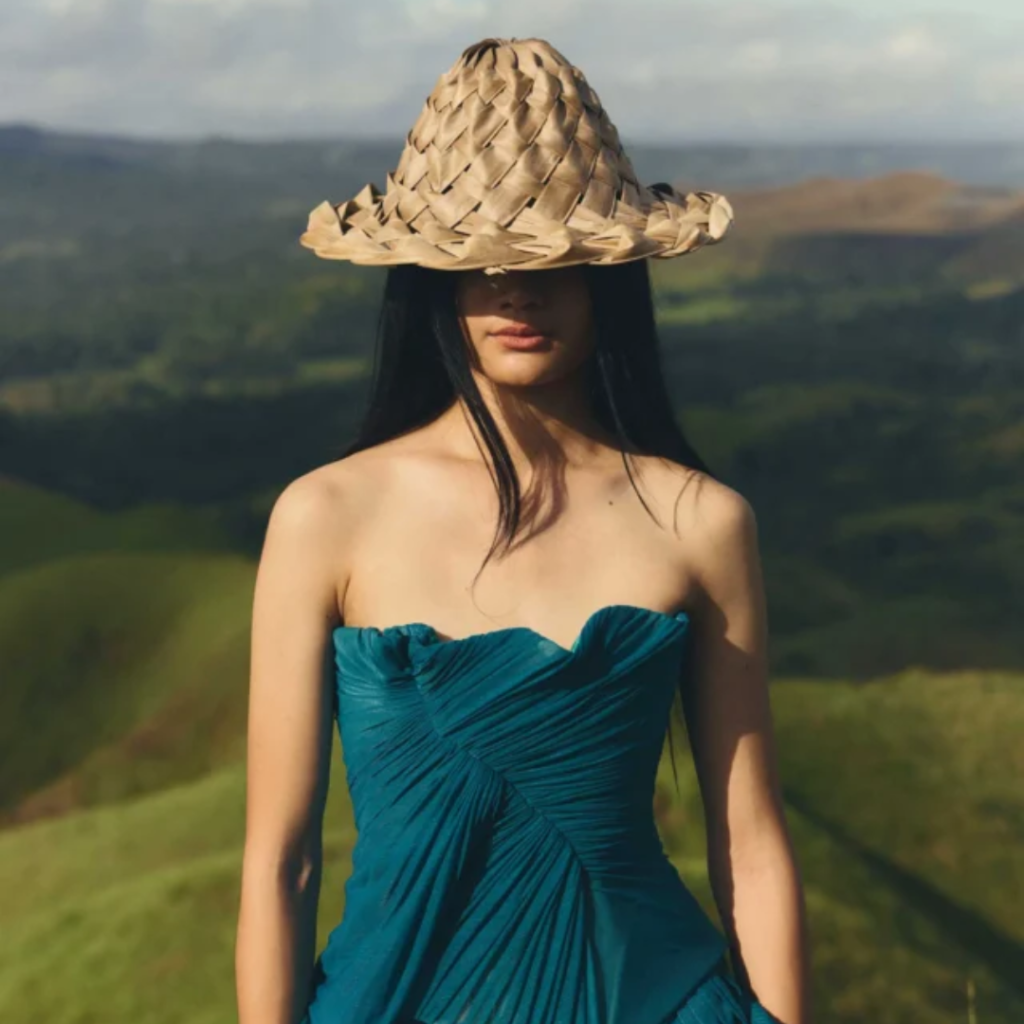
Bohol is known for its beautiful beaches, green hills, rice terraces and lively culture. But there is another important story about the island, besides its popular tourist attractions. Local communities are collaborating to preserve its natural landscapes, cultural traditions and historic sites for future generations.
Bohol is the first and only UNESCO Global Geopark in the Philippines and an important niche for environmental conservation. The award recognizes the island’s unique geology, natural resources and cultural heritage. It also gives people and local leaders the tools to continue to protect these precious places.
To the Boholanos, the island is more than just a tourist destination. “This is home to them, where their families live and work and continue the traditions that have been passed down from generation to generation.
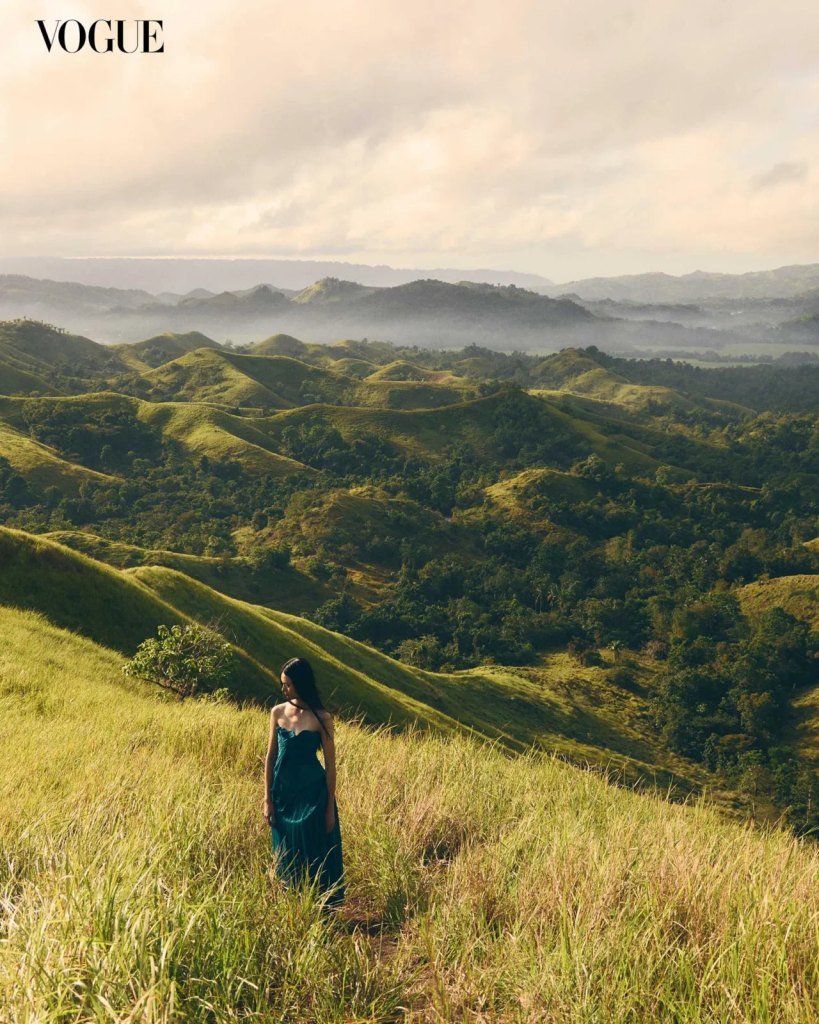
One of the natural beauty of Bohol is the Alicia Panoramic Park, specifically the Binabaje Hills. Visitors can take in the green mountains and open vistas. Another attraction is the Cadapdapan Rice Terraces in Candijay where local farmers are still farming the land. Quinale Beach in Anda is a tourist attraction for its white sand and calm seaside ambiance.
These are naturally beautiful places but need constant work by local communities to protect them. The residents understand what it means to keep the environment safe for their future and the identity of the island.
“Geoparks are not just about protecting beautiful landscapes,” said Joanne M. Pinat, Bohol Island Geopark Program Manager. This means training people to use natural resources responsibly, helping local communities and teaching young people to value their heritage.
The island also maintains its historic buildings. After the strong 7.2 magnitude earthquake in 2013, attempts were made to restore the damaged churches, watchtowers, bridges and other important buildings. It is also an important part of the work of the National Museum of the Philippines-Bohol in preserving objects and traditions of history that tell of the island’s past.
Local industries play a major role in conservation as well. There is an area of rattan growth in Antequera, maintained by the local government. In Antequera there is a tradition of weaving. This helps to maintain the supply of materials for local artisans and promotes care of natural resources.
The local artists and fashion designers also draw inspiration from the natural setting of Bohol. They draw inspiration from nature’s materials and patterns such as shells, woven designs, ocean tides and flowing water. This relationship between nature and art and culture is part of the island’s identity.
Locals in Anda also urge tourists to be sensitive to the communities and the environment. They want people to know that these are not just places to go, but places to be protected and respected.

Bohol’s experience proves it takes a team to protect nature. Residents are helping to protect the island’s precious heritage through education, responsible tourism, cultural activities and community engagement.
As Bohol continues to receive guests, its local communities have remained a key player in its conservation efforts. They want to make sure that the island’s natural beauty, history and traditions will be preserved for future generations to enjoy.
Frequently Asked Questions (FAQs)
Why is Bohol important for environmental conservation?
Bohol is the Philippines’ first and only UNESCO Global Geopark, known for its unique geological formations, landscapes, and cultural heritage.
What are some natural attractions in Bohol?
You can visit some of the popular natural attractions in Anda such as Alicia Panoramic Park, Binabaje Hills, Cadapdapan Rice Terraces and Quinale Beach.
How do local communities help protect Bohol’s heritage?
Local communities are involved in conservation through environmental education, responsible tourism, restoration of historical sites and traditional activities such as weaving and handicraft production.