



Thoroughbred imports seen as essential to the sport’s sustainability in Southeast Asia
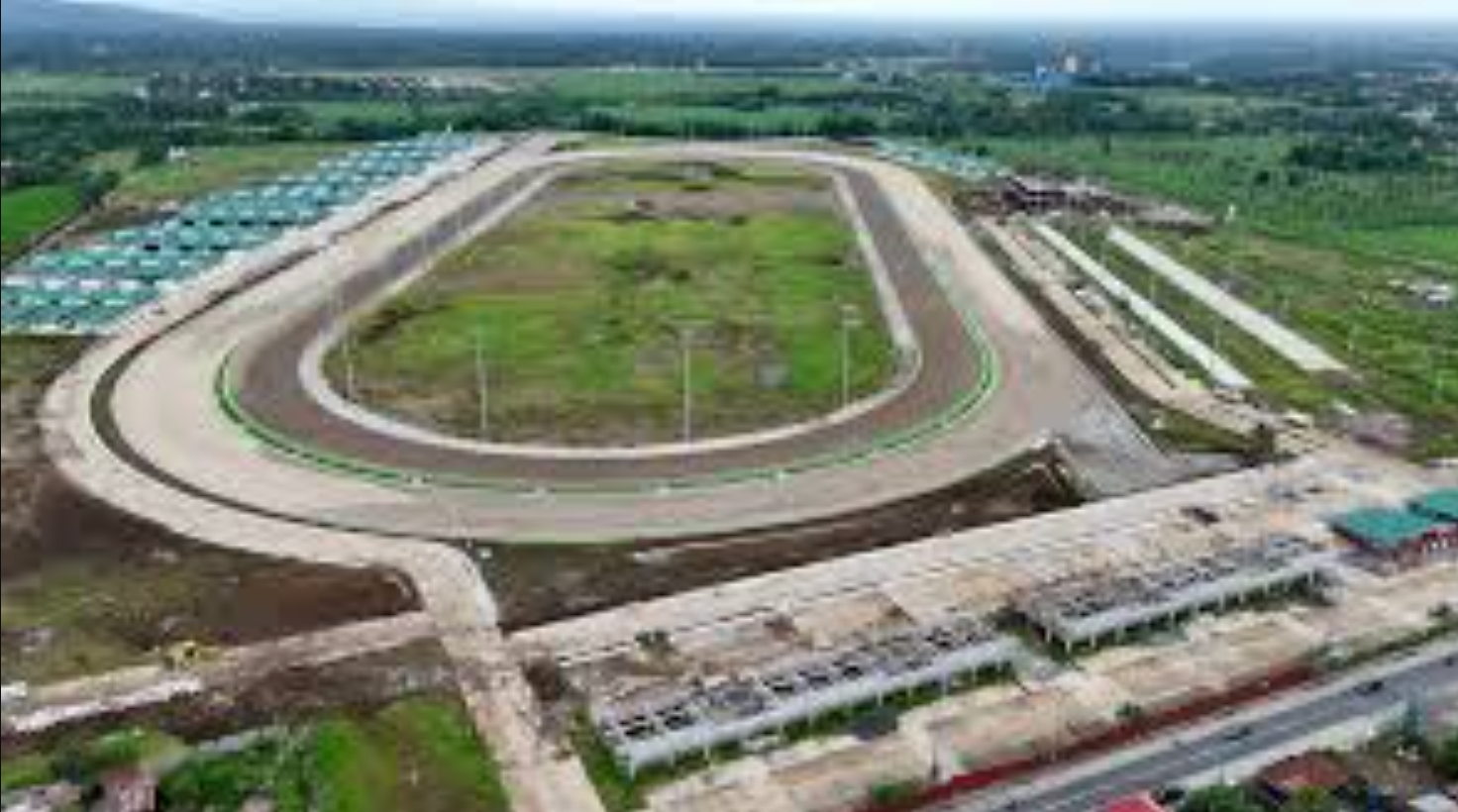
A cutting-edge racecourse is nearing completion in the Philippines, with operations expected to begin by the final quarter of this year. This development is poised to secure a permanent base for thoroughbred horse racing in the country and offer stability to the local industry’s stakeholders.
While the COVID-19 pandemic has led to the decline or closure of racing operations in neighboring regions like Macau (which shuttered in March) and Singapore (scheduled to end on October 6), it became a catalyst for a group of Filipino horse racing advocates to protect and revive the sport locally.

Driven by the need to safeguard the future of racing, these enthusiasts came together to ensure the continuity of horse racing in the Philippines.
Currently, only one active track remains – the Metro Manila Turf Club – operating on a five-year lease. Two of the country’s three previous racetracks have already ceased operations. Once the new facility becomes operational, it is expected to share racing duties with the Metro Manila venue.
Located in Padre Garcia, Batangas, about 90 kilometers south of Manila, the new 50-hectare sand-based facility is slated to host races as early as October 2025.
The Philippine Jockey Club (PJC), under the management of the HAPI Jockey Club, received a 25-year government franchise—signed into law by then-President Rodrigo Duterte—to construct and manage racing venues across Batangas, Laguna, and Cavite.
According to PJC director Manny Viray, a seasoned bloodstock agent and former horse breeder, the group has raised ₱1 billion (approx. AUD$25.9 million) to fund the new racetrack.
“It’s not about profit,” Viray said in an interview with ANZ Bloodstock News. “It’s about creating a lasting institution for our horses and the future of the racing industry.”
Compared to greenfield plans in Thailand—where developers are still acquiring land—the Philippine project is already significantly advanced. The facility draws inspiration from American tracks like Santa Anita and Churchill Downs, with the first phase including 1,200 stables and infrastructure to accommodate up to 1,400 horses in training.
Eight trainers have already applied for relocation, and early estimates suggest they will occupy around 70% of the stables. The venue is designed for both day and night racing, featuring a 1,600-meter oval track, along with veterinary clinics, staff accommodations, and auxiliary training tracks.
Although the country produces 300–400 foals annually, most racehorses in the Philippines are imported, particularly from the United States. Despite timing mismatches due to seasonal breeding differences, Australian imports are also a growing component of the local racing ecosystem.
From 2017 to 2023, Filipino buyers spent over AUD$1.7 million at the Magic Millions National Yearling Sale, and another AUD$2 million at the Magic Millions 2YOs in Training Sale, acquiring dozens of promising horses.
Viray sees increasing imports as critical to elevating the club’s profile internationally and ensuring a deep pool of racing talent. He also plans to push for regulatory reforms—particularly the lifting of a ban on gelding imported colts, originally enacted to promote local breeding.
“Breeding here is challenging,” he said. “Profit margins are slim, and there’s a shortage of stallions and qualified personnel. Importation is the practical solution.”
To attract new investors, including younger enthusiasts, the club aims to offer a racing experience on par with international standards.
Equine International Airfreight has facilitated recent shipments of Australian horses to the Philippines. Viray hopes to negotiate with the government—through the Racing Commission—to lower import taxes and airfreight costs to encourage more entrants and reinvigorate the national herd.
To support race prize money, the Philippines relies on a network of over 200 off-track betting stations in Metro Manila, with races scheduled as frequently as five times a week. Top prizes include up to US$100,000, such as in the prestigious Presidential Gold Cup.
The club also seeks government approval to expand these betting outlets to other urban centers, thereby increasing betting turnover and revenue.
Oversight of racing operations falls to the Philippine Racing Commission, which reports to the Office of the President, while betting operations are managed by the Games and Amusement Board.
As part of its long-term vision, the new facility will feature world-class broadcast capabilities. This opens the door for international simulcasting, potentially allowing Australian audiences to watch and wager on Philippine races via platforms like Sky Racing.
To support operations, the PJC is considering hiring international professionals such as racecallers, stewards, and veterinarians.