



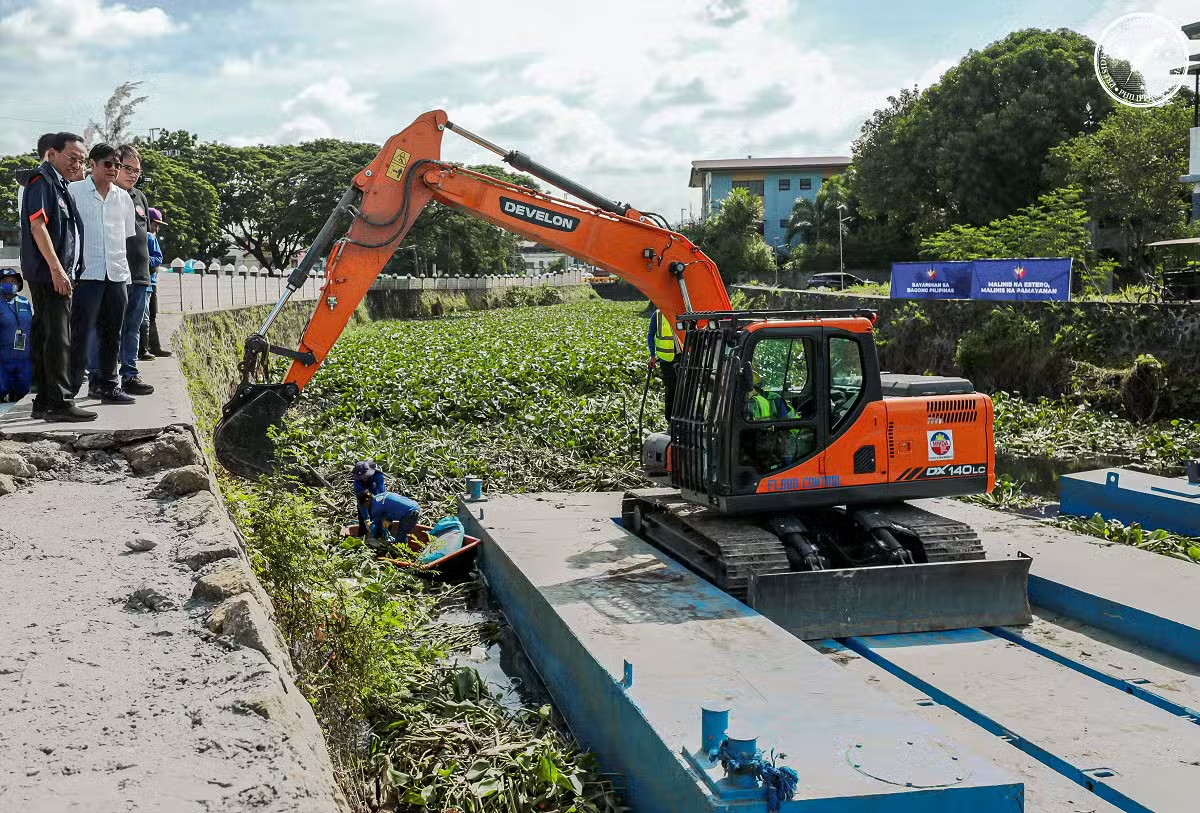
MANILA, Philippines — The government will no longer tolerate “phantom” or non-operational flood control initiatives, as Budget Secretary Amenah Pangandaman stressed the need for public funds to translate into tangible and effective results, particularly in the country’s efforts to manage flooding.
Following recent widespread flooding brought on by the southwest monsoon and three consecutive tropical storms—despite massive funding poured into flood mitigation—Pangandaman underscored that every peso in the national budget must be put to real use.
“Public funds must no longer be spent on ghost or idle projects. Our budget should deliver actual, functional, and beneficial outcomes for our citizens,” Pangandaman declared on Friday.
“We cannot allow what happened last week to repeat—floods turning roads into rivers and cars into submarines. Filipinos deserve better,” she added.
Government Agencies Mobilized
Pangandaman led the first meeting of the Special Program Convergence Budgeting Steering Committee (PCB-SC) on Friday to address persistent issues concerning flood control and water resource management.
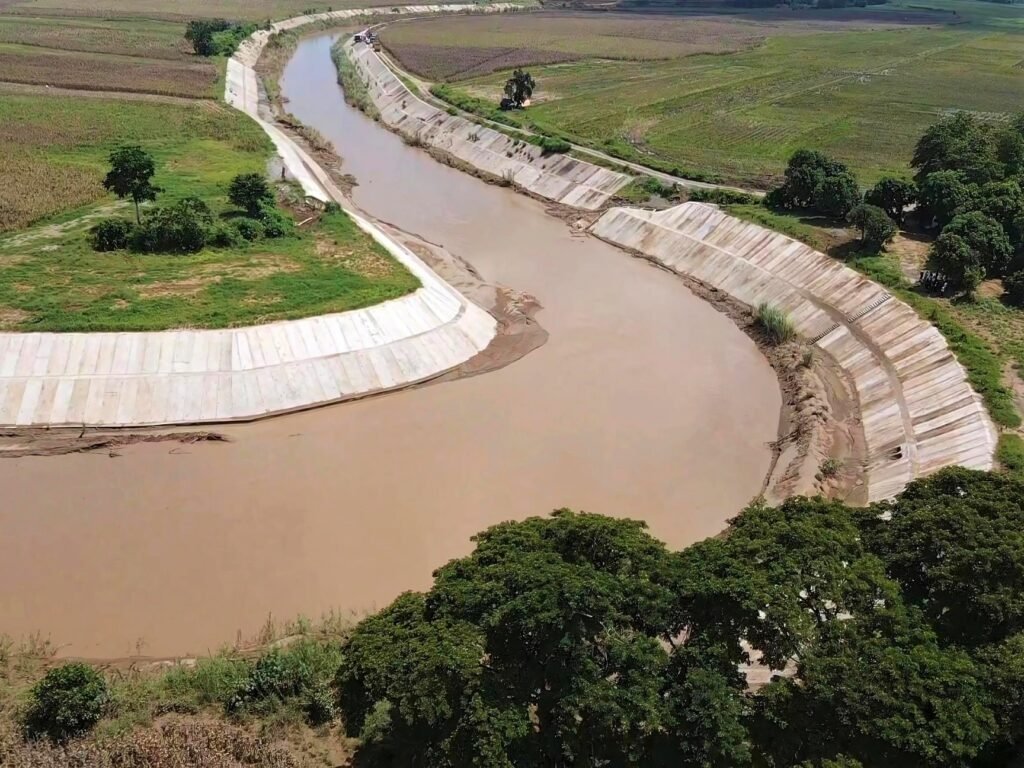
The high-level gathering brought together representatives from key agencies including the Department of Public Works and Highways (DPWH), Department of Environment and Natural Resources (DENR), National Irrigation Administration (NIA), Department of Energy (DOE), Metropolitan Manila Development Authority (MMDA), University of the Philippines Research Institute, and the Department of Economy, Planning, and Development (DEPDev).
Marcos: Zero Tolerance for Corruption
The intensified efforts come in the wake of President Ferdinand Marcos Jr.’s strong statement during his State of the Nation Address (SONA), where he denounced corruption tied to flood control initiatives.
“Shame on you. Be ashamed that you allowed our fellow Filipinos to suffer—submerged in floodwaters, stranded, or worse,” the President said in Filipino. “Be ashamed for burdening future generations with debt caused by your greed.”
The administration is pushing for stricter monitoring and accountability to ensure that infrastructure investments deliver real protection against climate-related disasters—especially as flooding continues to cripple major cities and communities across the archipelago.