


Join PetroSync’s leading ASME training for engineering professionals. Master global standards and elevate your expertise and career growth.
In the global oil and gas industry, engineering professionals face increasing expectations to operate according to internationally recognized standards. From the design of complex piping systems to the repair of pressure equipment, technical accuracy and compliance are essential for ensuring safe and reliable industrial operations.
As energy companies continue to expand across international markets, the demand for engineers who understand global engineering standards has grown significantly. For many organizations, investing in technical training has become one of the most effective ways to ensure their teams remain capable of managing modern industrial challenges.
PetroSync, a global B2B training provider specializing in the oil and gas sector, offers industry-focused ASME training programs designed to help engineering professionals strengthen their expertise and remain aligned with internationally recognized engineering codes.
Engineering Professionals Face Increasing Global Standards
Engineering standards serve as the foundation for consistent and safe operations across industrial facilities worldwide. As energy projects grow more complex, companies increasingly rely on standardized technical frameworks to guide engineering decisions.
One of the most widely applied standards in process industries is ASME B31.3, which governs the design, fabrication, inspection, and testing of process piping systems. Engineers responsible for pipelines and plant infrastructure often depend on this code to ensure that systems operate safely under demanding conditions.
Similarly, maintenance professionals frequently reference ASME PCC-2, a standard that provides recommended practices for repairing pressure equipment while maintaining safety and regulatory compliance.
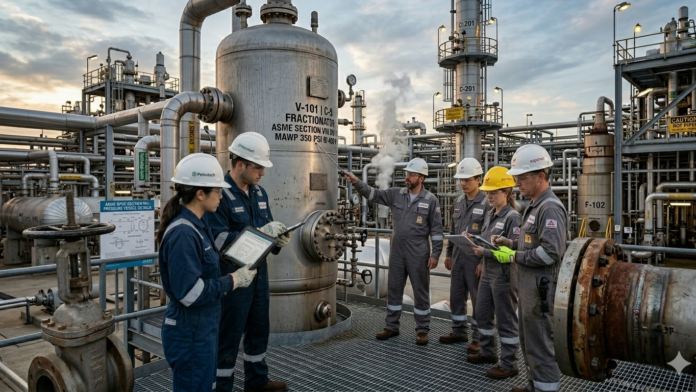
For engineers working in refineries, petrochemical plants, and other energy facilities, understanding how these standards apply in real operational environments is essential. Companies that encourage engineers to deepen their knowledge of these frameworks are better prepared to manage risk and maintain operational reliability.
Why Companies Choose Specialized Training for Their Engineering Teams
Within many oil and gas organizations, technical training programs are closely linked to long-term operational strategies. Engineering managers and technical directors are often responsible for ensuring that their teams possess the competencies required to maintain critical assets and infrastructure.
Investing in structured training allows companies to strengthen the technical capabilities of their engineering workforce. Engineers who understand industry standards are more confident in making design evaluations, troubleshooting operational issues, and maintaining system integrity.
Programs such as ASME B31.3 Training provide professionals with practical insights into the engineering principles behind process piping systems. Participants gain a clearer understanding of how industry codes influence daily operational decisions and long-term asset management.
For organizations operating in high-risk environments, improving technical competency across engineering teams helps reduce operational uncertainty and strengthens overall safety performance.
The Corporate Journey Behind Enrolling Engineers in Technical Training
In the oil and gas sector, training initiatives are often implemented through structured corporate processes. Unlike individual professional courses, B2B technical training programs usually involve several stages before engineers are officially enrolled.
The process often begins with a consultation between the company and the training provider. Engineering leaders may discuss specific operational challenges or skill gaps within their teams to determine which training program is most relevant.
After identifying a suitable course, the proposal typically moves through internal review channels. Engineering departments, learning and development teams, and sometimes senior management evaluate whether the program aligns with operational priorities and budget considerations.
Corporate approval is an important step in ensuring that training investments support the organization’s broader objectives. Once approval is granted, companies proceed with participant registration and scheduling.
Training providers like PetroSync often assist organizations throughout this process, providing course outlines, learning objectives, and logistical details to help decision makers make informed decisions.
How PetroSync Supports Engineers Through Industry-Focused ASME Training
As the energy industry continues to evolve, engineering professionals must consistently update their technical knowledge to remain effective in their roles. Global engineering standards change over time, and staying informed is critical for maintaining safe industrial operations.
PetroSync’s ASME training programs are designed to help engineers strengthen their understanding of internationally recognized codes and apply them confidently in real-world scenarios. Through expert-led instruction and practical discussions, participants gain valuable insights into how engineering standards influence operational decisions.
For organizations, the benefits extend beyond individual professional development. Companies with well-trained engineering teams are better equipped to manage complex assets, maintain compliance with international standards, and support long-term operational stability.
In a highly regulated industry where technical precision matters, joining leading ASME training programs can provide both professionals and organizations with the knowledge needed to navigate the challenges of modern engineering environments.
This press release has also been published on VRITIMES