
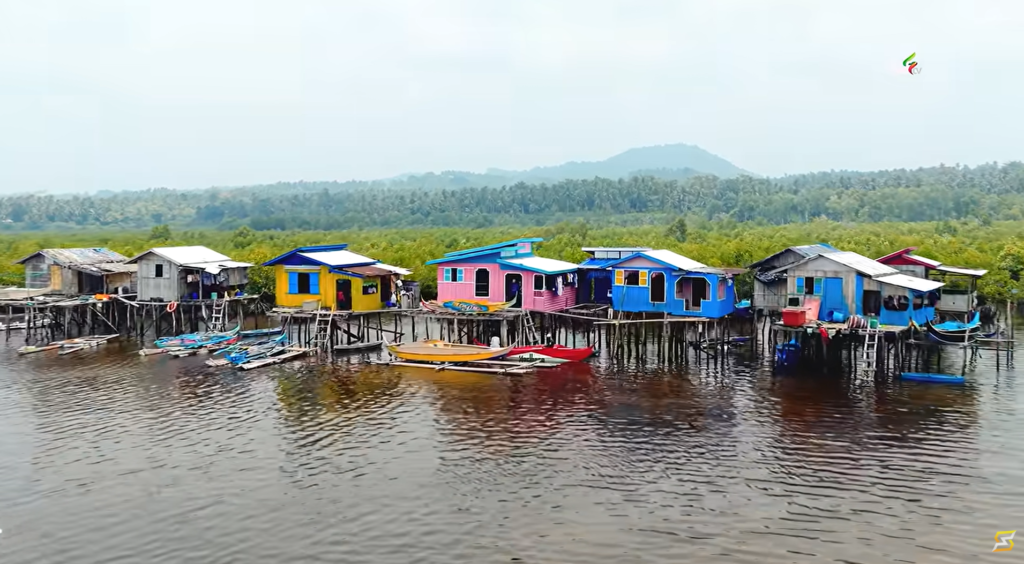
Far from the crowded cities and tourist spots of the Philippines lies a small island in the waters of the Sulu Sea. This peaceful spot is called Mapun Island and is situated between Palawan and the southernmost areas of the country, part of the Tawi-Tawi province. It may seem like a mere speck on the map, but the island is packed with beautiful landscapes, a rich culture and a way of life foreign to most Filipinos.
SEFTV’s Inside the Philippines Most ISOLATED Island Nobody Talks About travel feature brings viewers on an exploration of the island’s natural beauty, local communities, and tough transportation routes. Here is a video explaining why Mapun is one of the country’s less famous places.
A Remote Island Between Palawan and Tawi-Tawi
Mapun is one of the most isolated municipalities in the province of Tawi-Tawi. It lies northwest of the main Tawi-Tawi island group, closer to Palawan than to Bongao, provincial capital. Its location makes the island difficult to reach, especially for first-time visitors.
But Mapun, remote as it is, is home to thousands of people. According to the 2020 census, the municipality had a population of over 30,000 people. Most of its inhabitants are Jama Mapun, an ethnic group possessing its own language, traditions and cultural identity.
The island is also famous for its natural attractions. It has three big lakes, volcanic mountains, coconut plantations and beautiful white sands beaches. The landscapes make Mapun a unique destination to travelers who want to go to places beyond the usual tourist spots.
A Journey That Requires Time and Patience
Getting to Mapun is not as easy as booking a regular ferry or a direct flight. Transport is highly weather-dependent, and on the availability of boats and small aircraft.
In the SEFTV travel video, the trip starts in Tacloban. The travel group first flies to Manila, then takes another flight to Puerto Princesa, Palawan. They set out on a long sea voyage from there, which takes about one nite and two days to the island.
Unlike the usual destinations that have set schedules of transportation, boats going to Mapun don’t always have a fixed departure time. A vessel may have to wait for suitable sea conditions before leaving. The area is also served by small aircraft, although flights are limited and may depend on weather conditions.
These challenges mean visiting Mapun demands careful planning, patience and flexibility. Travelers cannot be assured of arriving on any particular day without the possibility of delays.
But the long journey is also what makes the island different. It’s an experience that is a world away from crowded airports, busy ports and tourist destinations that are too popular.
Discovering the Island’s Natural Beauty
One of the most interesting features of Mapun is its collection of natural attractions. The island also has three large lakes and its topography is also unique. The water bodies provide beautiful views and show the island is more than just beaches and coastal scenery.
Its volcanic mountains give it a different appearance than many of the other Philippine islands. Besides the natural features, there are also vast coconut plantations and green surroundings that make Mapun a place worth exploring.
Another highlight is the white-sand beaches. For those who appreciate nature, the clear waters and peaceful surroundings provide a quiet getaway. Mapun has managed to stay out of the spotlight of mainstream tourism unlike popular beach destinations.
But it’s not only the coast that’s beautiful on the island. The diversity of landscapes in this remote region of the Philippines is also reflected in its internal areas, mountains, lakes and plantations.
The Culture and Life of the Jama Mapun
Besides its scenery, Mapun is also a community with a strong cultural identity. The majority of the island’s population are the Jama Mapun, literally the people of Mapun.
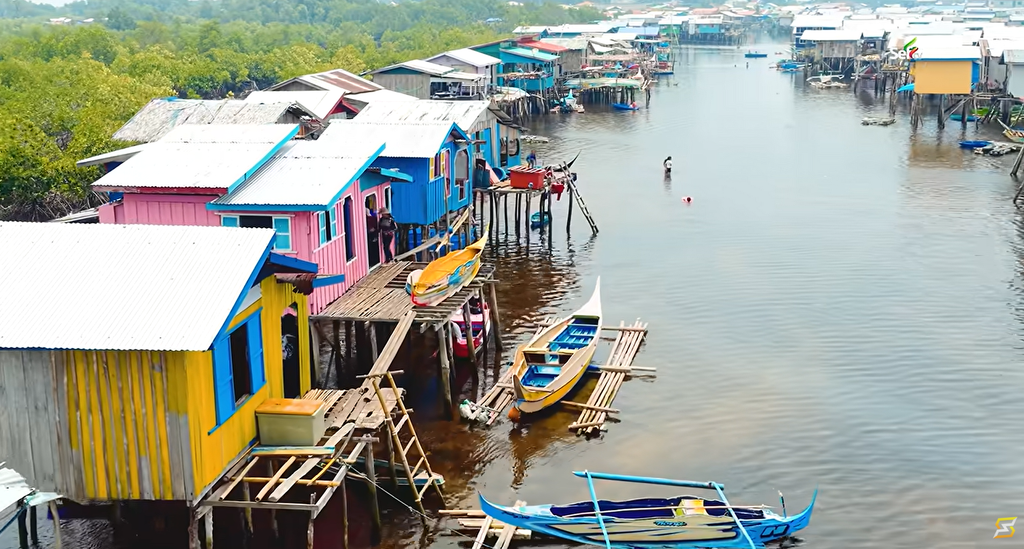
They speak Pullun Mapun, their local language, and still follow traditions passed down from generation to generation. Their culture is a crucial element of the island’s identity and makes Mapun more than just another island destination.
The video also shows you people living in houses that are built on water. These houses demonstrate how some of the residents have changed their daily life to suit their environment. For many coastal communities, living near the sea remains an important part of life.
Fishing, local trade and other activities connected to the sea are important to the lives of island dwellers. Their relationship with the surrounding waters is a reflection of the island’s location and history.
A hidden destination that is worth seeking out
Mapun Island is proof that the Philippines has many unexplored destinations yet. Boracay, Palawan and Siargao may attract travelers from all over the world, but Mapun offers a different kind of travel experience.
The place is special for being remote, no transportation, beauty of the landscape and the culture. But this isolation also means visitors need to be well prepared and respectful of the local community and environment.
SEFTV’s travel feature will showcase a part of the Philippines that is not often shown. Mapun is not an easy place to reach but it is an interesting place to visit because of its natural beauty and rich local culture.
For travelers looking to get off the beaten path from the country’s popular tourist destinations, the island is a reminder that some of the most memorable places are far from the usual paths of travel.
Frequently Asked Questions
Where is Mapun Island located?
Mapun is an island municipality in the province of Tawi-Tawi in the Philippines. It is in the Sulu Sea, northwest of the main Tawi-Tawi island group close to Palawan.
What are the main attractions of Mapun Island?
The island is well known for its 3 big lakes, volcanic mountains, coconut plantations, white sandy beaches and the very rich local culture.
Why is Mapun Island difficult to visit?
Transportation is limited because boats have no fixed sailing schedules and small aircraft operate only occasionally. Weather and sea conditions may also affect travel plans.