
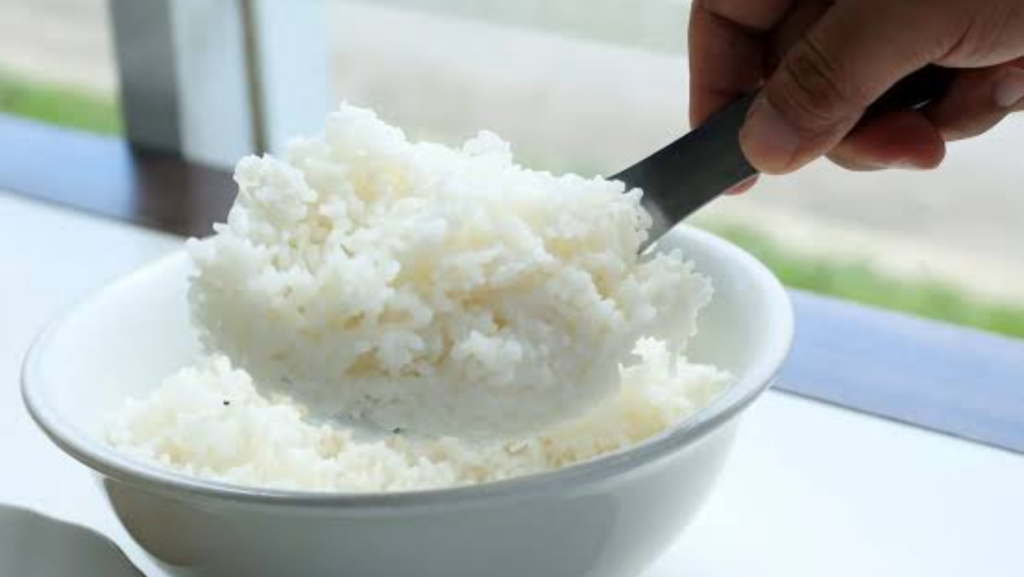
Filipinos are being encouraged to serve themselves smaller portions of rice to help minimize food waste and address the country’s rice supply problems. The Philippine Rice Research Institute (PhilRice) said simple changes in the way Filipinos eat their daily meals can help save rice and boost local farmers.
The recommendation comes as the Philippines observes the National Rice Awareness Month. In this period, the government agencies remind the public of the importance of consuming rice responsibly.
“It is not only the farmers’ responsibility to reduce rice waste,” PhilRice Deputy Executive Director for Development Karen Eloisa Barroga told PTV. Consumers also have an important role to play in managing the country’s supply of rice.
Barroga delivered a simple message that Filipinos can do: “Do not waste rice, buy rice from local farmers, and make healthier rice choices.
One of the key recommendations is to start off with ½ cup of rice at each meal. People can start with a smaller portion of rice, rather than put too much on their plates, and get another serving if they are still hungry.
This practice can help avoid throwing out leftover rice after meals.
Reports say about 11 million sacks of rice are wasted every year in the Philippines. The Department of Science and Technology-Food and Nutrition Research Institute also said each Filipino wastes an average of two tablespoons of rice a day. The lost rice amounts to some P24.4 billion per year.
This amount could feed about 5.17 million Filipinos for a year.
“PhilRice is advocating not just for the reduction of waste but also for consuming local rice,” she said. Barroga explained that supporting local rice would help Filipino farmers and strengthen the country’s agricultural sector. Locally grown rice can compete with imported varieties in taste and quality, she said.
The agency is also pushing for healthier rice choices. These include brown rice, which contains fiber, vitamins and minerals that aid digestion and general health.
Other options include red, purple and black rice, which contain antioxidants. If you need to manage your blood sugar levels, you may also want to choose rice with a low glycemic index. Another way of varying the daily diet is to mix the rice with corn, adlai or saba.
Meanwhile, government officials said total rice losses along the supply chain are about 2.28 million metric tons annually. This covers losses in agriculture, post-harvest handling and household consumption.
That money could feed some 21.7 million Filipinos for a year.
Through these efforts, PhilRice is hoping that more Filipinos would become responsible rice consumers. Starting with smaller portions, not leaving leftovers, going for healthier rice and supporting local farmers are simple ways to reduce waste and bolster food security in the country.
Frequently Asked Questions
Why are Filipinos encouraged to start with half-cup rice servings?
Starting with half a cup also helps control food portions and not waste leftover rice. If people want more they can always have another serving.
How much rice is wasted in the Philippines every year?
The country wastes about 11 million sacks of rice a year or about P24.4 billion in value.
What are some healthier alternatives to white rice?
Brown rice, red rice, purple rice, black rice, rice mixed with corn, rice mixed with adlai are some of the alternatives that are more nutritious.