



Palawan, known as the Philippines’ “Last Ecological Frontier,” is home to vast forests, diverse wildlife, and unspoiled natural landscapes. However, beneath this beauty lies a pressing issue the growing threats of mining and deforestation. Extensive resource extraction and widespread land clearing have placed heavy strain on the province’s delicate ecosystems, endangering habitats, polluting water sources, and disrupting the lives of indigenous and local communities. Addressing these challenges is vital, as the future of Palawan’s environment relies on striking a balance between economic development and environmental preservation.
The Impact of Mining and Deforestation in Palawan
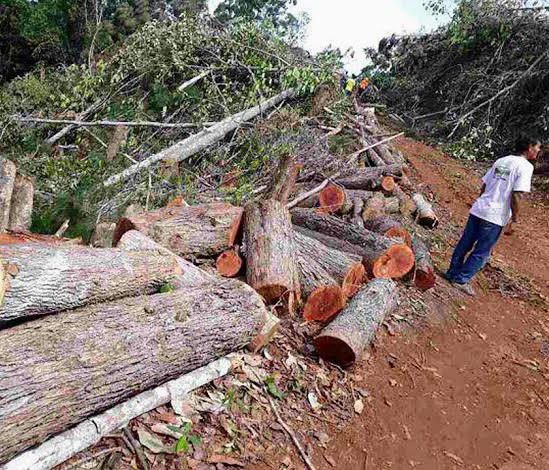
Palawan, often hailed as the Philippines’ “Last Ecological Frontier,” is a land of breathtaking landscapes, crystal-clear waters, and lush forests that shelter some of the country’s richest biodiversity. Yet, behind this natural beauty lies a pressing issue — the growing threats of mining and deforestation that continue to endanger both the environment and the people who depend on it.
The Shadow of Mining
Mining, particularly for nickel and other minerals, has carved scars into Palawan’s once-pristine mountains. Large-scale extraction often strips the land of its vegetation, leaving behind barren soil that is prone to erosion. Waste and chemical runoff from mining sites flow into rivers and coastal areas, polluting water sources, damaging coral reefs, and disrupting the fishing grounds that sustain local communities. What may appear as economic progress often comes at a devastating environmental cost.
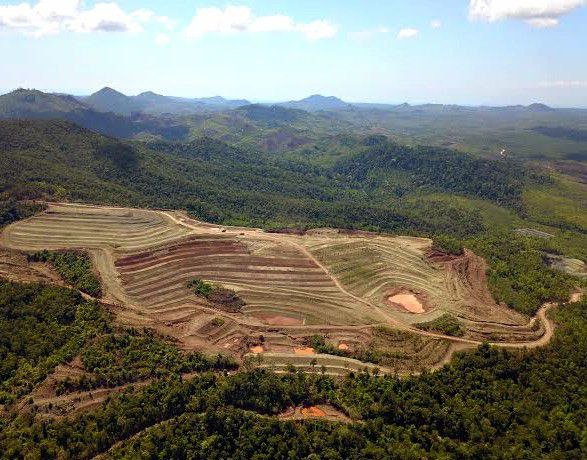
Palawan’s forests, once spanning more than a million hectares, have drastically declined due to illegal logging, slash-and-burn farming, and the expansion of plantations. This deforestation has destroyed habitats for countless species — including the Palawan bearcat, hornbills, and the critically endangered Palawan pangolin. Beyond biodiversity loss, deforestation also worsens flooding, reduces clean water supply, and contributes to climate change by releasing stored carbon into the atmosphere.
Communities at Risk
The impact of these activities is deeply felt by indigenous peoples and rural communities who rely on forests and rivers for survival. Farmers struggle with declining soil fertility, fisherfolk face dwindling catches, and indigenous groups are displaced from their ancestral lands. Their way of life, tied closely to nature, is increasingly threatened as the forests disappear.
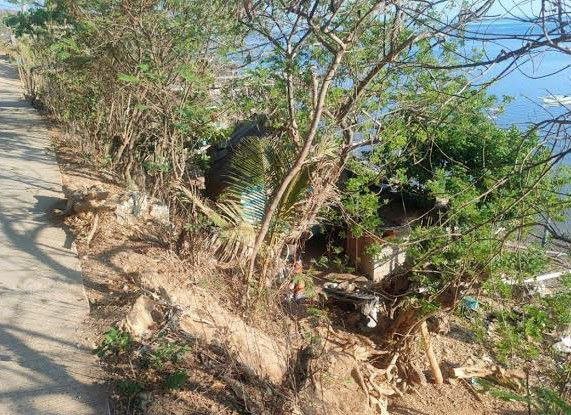
The impact of mining and deforestation in Palawan serves as a stark reminder that natural resources are finite. Without urgent action, the province risks losing its forests, its wildlife, and the lifeline of its people. Protecting Palawan is not just an environmental issue — it is a fight for heritage, culture, and the well-being of future generations.