



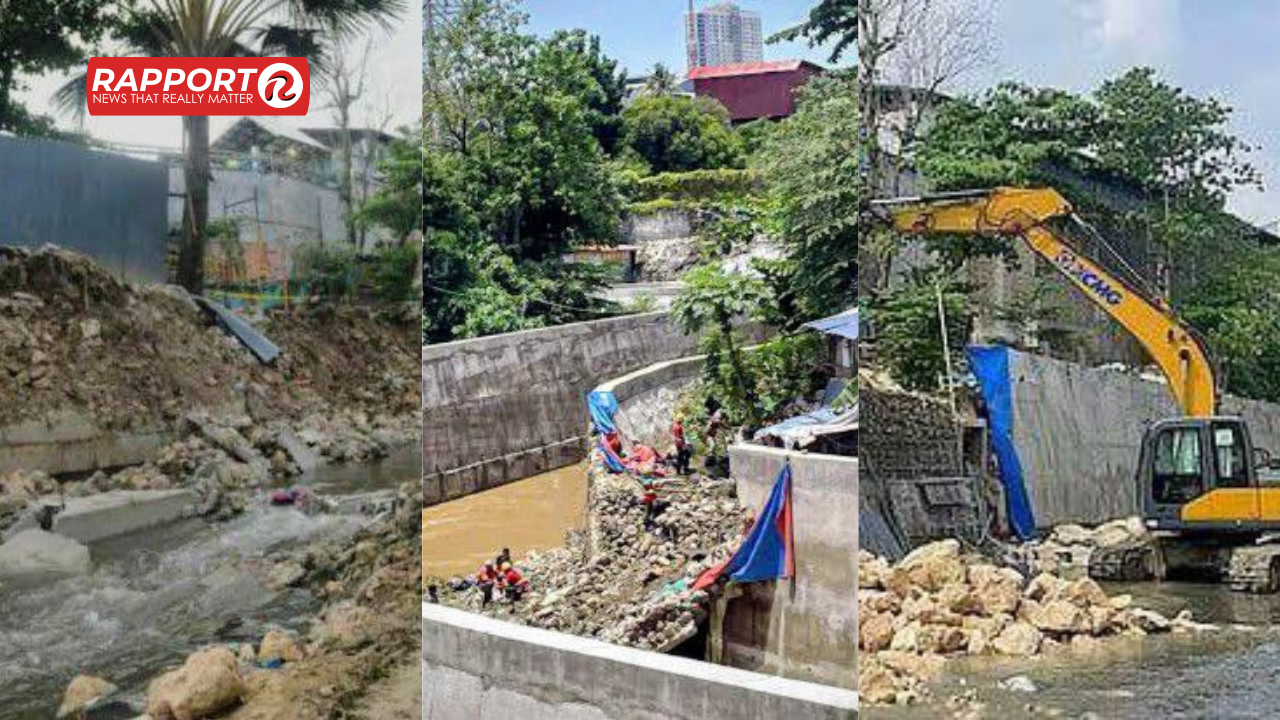
MANDAUE CITY, Cebu – Congresswoman Emmarie “Lolypop” Ouano-Dizon has urged the Department of Public Works and Highways (DPWH) to intensify its oversight of flood control projects, emphasizing the need for contractors to strictly adhere to approved designs and program of works.
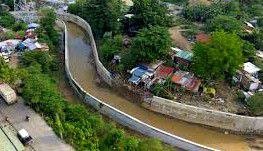
The lawmaker revealed that she has already requested DPWH to reassess the Butuanon River. Flood control initiative to verify if contractors complied with all stipulated requirements. Her call came after a 15-meter stretch of riprap in Barangay Casuntingan, gave way during heavy downpour on the evening of August 15.
In the collapsed portion, it can be noticed that not a single steel bar is visible.
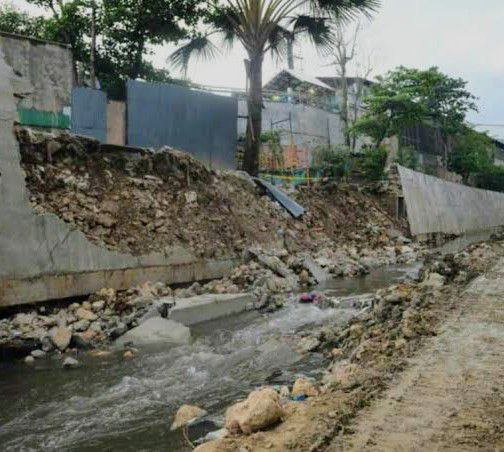
Steel bars are essential for providing additional strength to the riprap, helping it withstand the forces of water and erosion more effectively. By integrating steel bars, the overall structural integrity of the riprap improves, making it more resilient to environmental stresses.
The 15-meter portion of the flood control project that collapsed was first noticed on Tuesday, Oct. 29.
The 6,900-linear-meter flood control project is funded by the office of Lone District Rep. Emmarie “Lolypop” Ouano-Dizon. This incident has raised concerns over the project’s quality, oversight, and material standards.
Engineering Perspectives on the Collapse
Assistant District Engineer Eda de Guzman explained that the failure wasn’t due to substandard construction but the result of intense floodwaters. The river’s flow split into two channels without a proper outlet, creating excessive pressure that caused a 15-meter section of the riprap along the Butuanon River in Barangay Casuntingan to collapse—destroying at least five houses.
Planning and Design Engineer Romar Jude Yan emphasized that despite appearing “thin” above ground, the structure adhered to approved standards. It incorporated stone masonry, lean concrete, and steel sheet piles driven nine meters deep (with one meter visible). It was designed to endure normal river conditions, but last week’s rainfall exceeded expectations in its strength.
The diverted flow occurred due to a temporary access road built to facilitate construction. This inadvertently redirected floodwaters behind the riprap, weakening it to the point of collapse during the extraordinary downpour.
DPWH-7 Director Danilo Villa Jr. reassured the public that most flood-control projects in Mandaue are performing as intended. However, he acknowledged that climate change—especially increasingly intense rain events—is challenging the limits of existing design standards. The DPWH is responding by moving toward stronger, fully concreted floodwalls and reviewing ongoing projects for climate resilience.
| Engineer / Official | Key Statement |
|---|---|
| Eda de Guzman | Collapse due to heavy rain and pressure buildup from diverted flow—not poor materials |
| Romar Jude Yan | Structure compliant with design, though visually thin; built with deep reinforcement layers |
| Design Engineers (overall) | Temporary access road rerouted floodwaters behind structure, weakening it |
| Danilo Villa Jr. (DPWH-7 Dir.) | Most projects are structurally sound; DPWH is transitioning to more resilient flood-control design |