




Bagyong Opong is still having an effect on some parts of the Philippines, especially the Eastern Visayas. Officials have said that some places that are already weak could get a lot of rain, strong winds, flooding, and landslides. Local governments and emergency response teams are on high alert and telling people who live in low-lying or coastal areas to be ready to leave if they need to. People are watching the storm closely because it could change their daily lives and put their jobs and lives in danger.
Disaster teams on high alert as storm threats trigger forced evacuations
Since yesterday, local government units (LGUs) in Eastern Visayas have been working hard to evacuate people from high-risk areas as a precautionary and forceful measure.
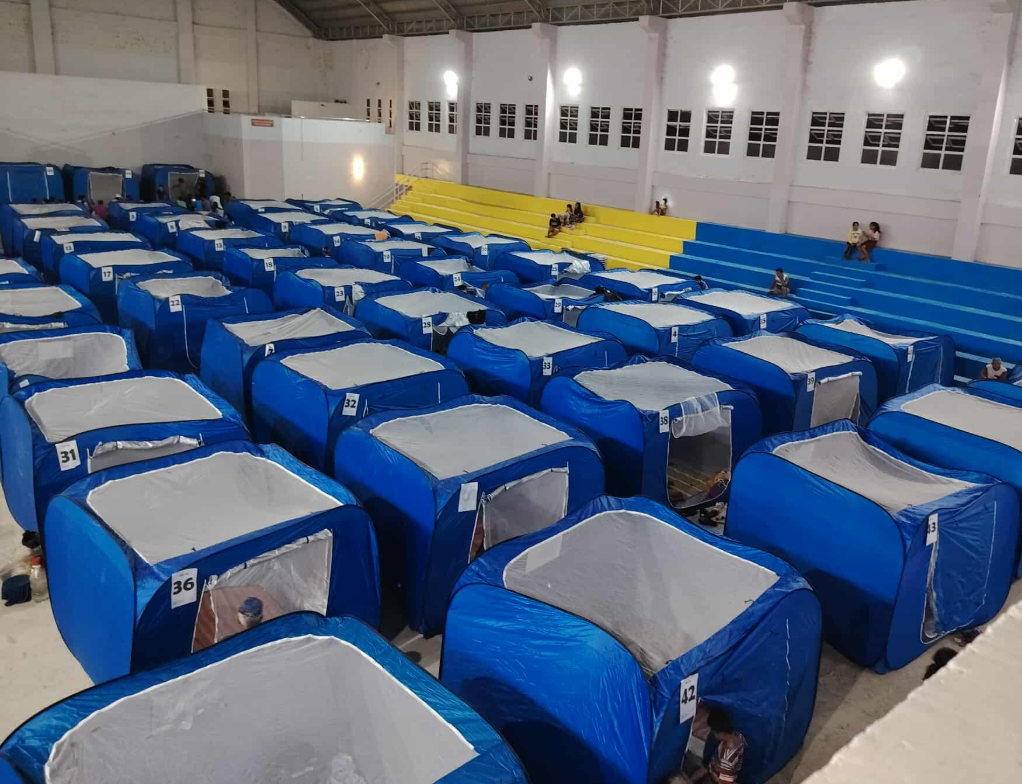
Officials said the move was necessary to protect communities that are at risk of floods, landslides, and storm surges because of the weather in the area. Evacuation centers have been set up, and relief operations are ready to help families who have been forced to leave their homes.
Disaster response teams, barangay officials, and volunteers went door to door to convince people to leave their homes, and if they didn’t want to, they had to force them to leave because they were in danger.

Local officials stressed that these proactive steps are part of the government’s promise to protect lives, especially in coastal and low-lying areas that are more likely to be harmed. They also asked the public to work with the police and follow safety advice to the letter.

The Regional Disaster Risk Reduction and Management Council (RDRRMC) reminded people that lives can’t be replaced, but property can. They stressed the importance of evacuating quickly to reduce the number of deaths during natural disasters.