
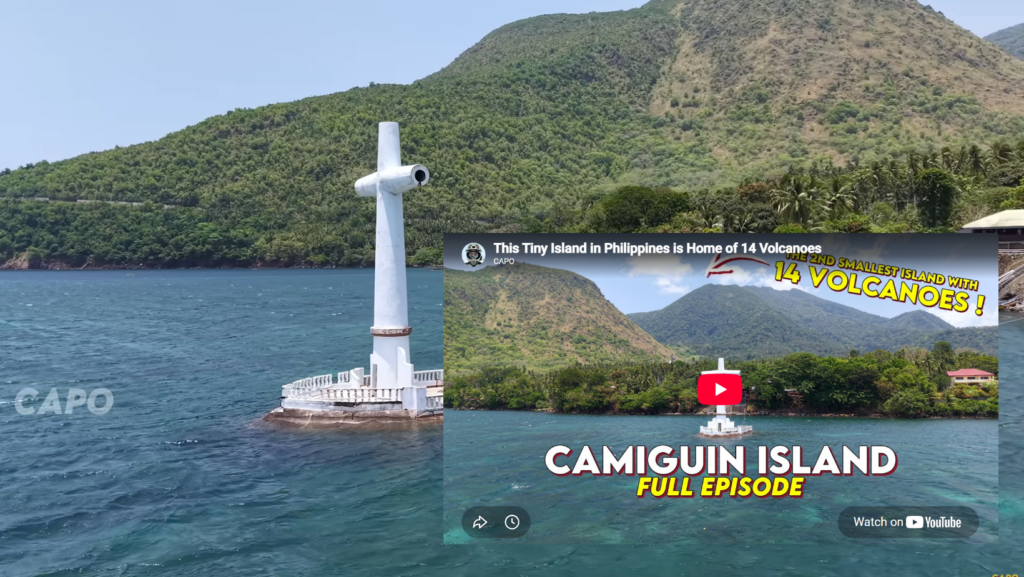
Camiguin is one of the smallest provinces in the Philippines but has an amazing landscape. The province is called the “Island Born of Fire” because of its volcanic mountains, waterfalls, hot and cold springs, beaches, and historic sites. This special destination is highlighted by travel vlogger CAPO in the YouTube video “This Tiny Island in Philippines is Home of 14 Volcanoes.”
“This episode brings the viewers to Camiguin, the second smallest province in the country in terms of land area. The island province in Northern Mindanao sits in the Bohol Sea just off the northern coast of Mindanao.
A Province of Volcanoes
Camiguin is very much marketed for its 14 volcanoes. These volcanic features helped to create the island’s mountains, coastline and natural attractions. Northern Mindanao’s Department of Tourism calls the province a land of 14 volcanoes, hence its name “Island Born of Fire.”
One of its most famous volcanic peaks is Mount Hibok-Hibok, an active volcano and a major feature of the island.
The volcanic soil has given more than mountain views. Hot Springs – Camiguin has hot springs where you can enjoy hot water from nature and cold springs that provide a cool escape from the tropical weather. The island has waterfalls, forests and unusual landscapes and is therefore an attractive destination for outdoor trips.
Natural Sights of Island
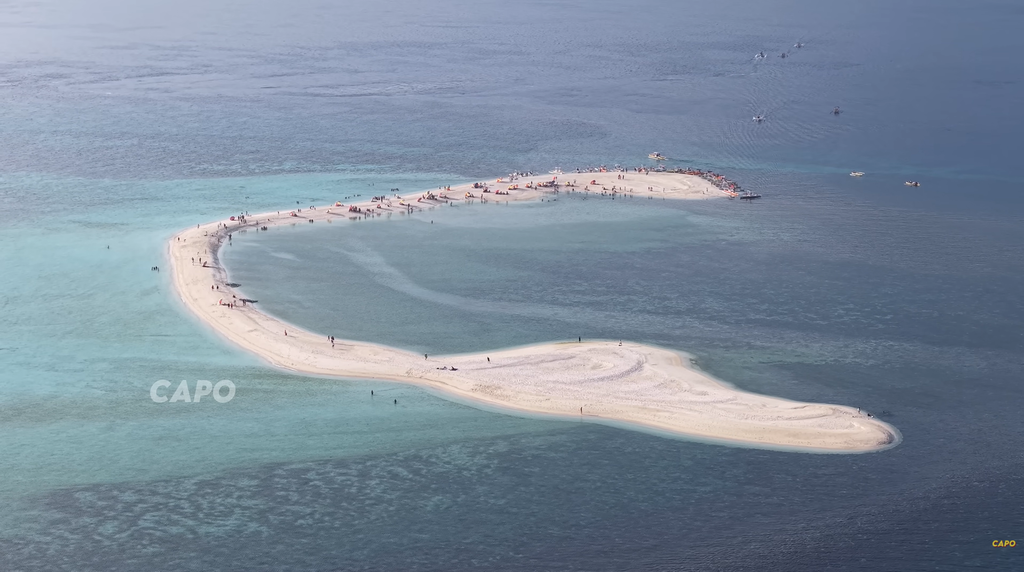
The White Island is a bright sandbar, clear water, and wide views of the green mountains of the island.
Another popular stop is the Sunken Cemetery. A big cross rising from the water marks the spot where part of the old town of Catarman was lost due to volcanic eruptions and land movement.
Katibawasan Falls cascades down a high cliff into a natural pool, and Tuasan Falls is another scenic spot to enjoy the island’s greenery and flowing water. Sto Swimming in Niño Cold Spring is not like swimming in the Soda Water Pool.
Notable historical landmarks in the island are the ruins of the old Gui-ob Church in Catarman The ruins of buildings from the Spanish period still standing today remind us of the devastation wrought by the eruption of Mount Vulcan in 1871.
A Tiny Province with Much to Offer
Camiguin is comprised of five municipalities, with Mambajao being its capital and main hub. Many local families are supported by fishing, farming and tourism. The province is also known for its lanzones fruits, and celebrates the harvest with the annual Lanzones Festival, which features cultural activities and local products.
Being located on an island means that the journey is part of the experience too. Visitors usually arrive in Camiguin by sea or air connections to Mindanao, nearby. From there roads connect the towns and many places people go to. Local guides and tour operators can arrange visits, explain the traditions of the community and give you information about the volcanic past of the island. Visitors can plot their routes on the weather.
It is also small enough to allow travelers to see many of the attractions in a short stay, but be sure to factor in time for boat trips and road travel.
In the video CAPO introduces a destination worth looking beyond its small size. Camiguin’s character is shaped by its volcanic landscape and enhanced by its beaches, waterfalls, springs, and historic sites.
Camiguin is a memorable island experience for anyone with a trip to Northern Mindanao.
Frequently Asked Questions
Where is Camiguin located?
“Camiguin is an island province in Northern Mindanao, Philippines. It lies in the Bohol Sea, off the northern coast of Mindanao.
Why is Camiguin called the Island Born of Fire?
The province is named so because of how volcanoes have shaped its mountains, landforms and coastline. It is often said to have 14 volcanoes.
What are some popular tourist attractions in Camiguin?
Some of the popular places are White Island, Mount Hibok-Hibok, Sunken Cemetery, Katibawasan Falls, Tuasan Falls, Sto. Niño Cold Spring and the ruins of the Gui-ob Church.