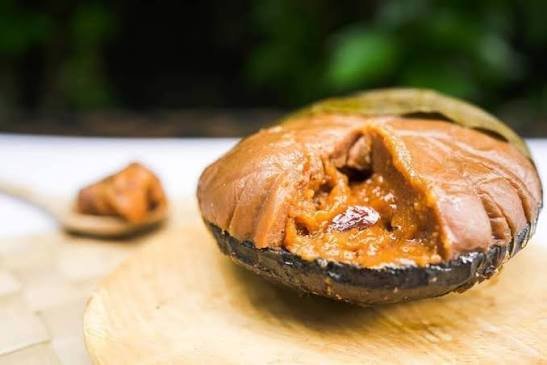
The Philippines has many traditional foods that reflect the culture and history of the different regions. One is Binagol, a popular delicacy in Eastern Visayas, most especially in the province of Leyte. Sweet to the taste, soft to the touch and uniquely packaged, Binagol has become one of the region’s most loved local treats.
The word Binagol is derived from the Waray word “bagol” meaning coconut shell. The name relates to the way the treat is traditionally made and served. The mixture is cooked in a coconut shell and covered with banana leaves instead of being put into the usual food containers.
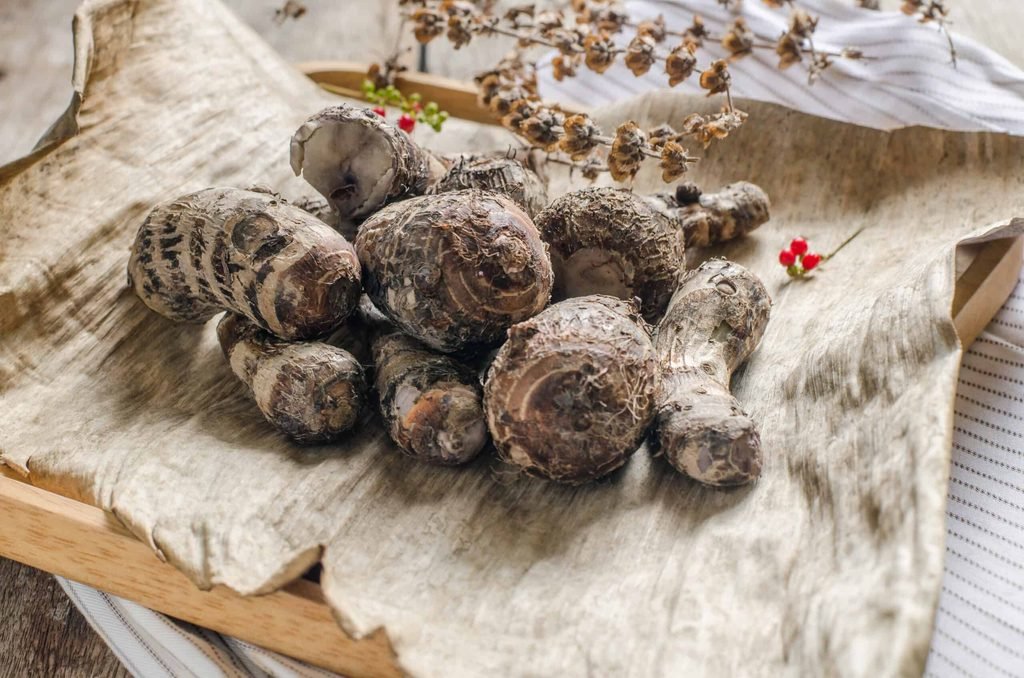
Binagol is basically made of mashed or grated taro root, which is locally called as gabi. It is blended with coconut milk and sugar to obtain a thick sweet mixture. Some recipes also contain additional ingredients that add flavor and texture. Together, they give Binagol a rich taste and a soft, sticky consistency.
How to Make Binagol Recipe
Binagol is made with simple ingredients, careful preparation and patience. The main ingredient is gabi (taro) that makes the dessert thick and sticky. It is mixed with coconut milk, sugar and other ingredients to give a rich sweet flavor. The traditional recipe can also include a sweet filling of egg yolks and condensed milk.
Ingredients :
- 2 cups grated gabi (taro)
- 1 cup coconut milk
- 1 cup brown sugar
- ½ cup condensed milk
- ¼ cup grated young coconut (optional)
- 2 tablespoons butter (optional)
- Egg yolks for the filling
- Banana leaves for covering
- Clean coconut shells for serving and cooking
Preparation & Cooking:
First, wash the gabi, then peel and grate it fine. Measure sugar and other ingredients and prepare the coconut milk. “Have all your ingredients ready before you start to cook.
In a cooking pan, put the grated gabi, coconut milk, brown sugar and condensed milk. Add everything and stir. Heat on low or medium heat. Keep stirring to prevent mixture from sticking to bottom of pan. Cook until thick, sticky and moldable.
In another pan, beat the egg yolks and condensed milk for the sweet filling. Stir and cook over low heat until thick and creamy.
When both mixtures are ready, clean the coconut shells and line or cover them with banana leaves. Stuff each shell with some of the cooked gabi mixture, put a little sweet egg-yolk filling in the center, and cover with another layer of gabi mixture.
Finally, wrap the coconut shells in banana leaves and tie them securely. Steam the shells that have been filled until the mixture is firm and set. Allow them to cool before serving.
When finished, binagol is soft and sticky with a rich coconut flavor and sweet filling. Unlike other Filipino desserts, it is traditionally packed in coconut shells, making it a special part of the food culture of Leyte.
Symbol of Food in Waray Waray
Binagol is more than just a sweet Filipino dessert. This is a manifestation of the Leyteños’ food culture and resourcefulness. For many locals it evokes memories of home, family gatherings and special occasions.
It is also a popular pasalubong to visitors heading to Eastern Visayas. Binagol is a popular souvenir for tourists and returning residents, who buy it to take home and share with family and friends.
Local food makers still make and sell this traditional treat, exposing more people to its unique flavor. And while it is changing in how it’s packaged and sold, how it’s made and the ingredients it uses, it is still defining to its identity.
Today, Binagol is a symbol of Leyte’s rich culinary heritage. Because of its simple ingredients, special presentation and sweet flavor, it is a memorable part of the Filipino cuisine.
If you are ever in Eastern Visayas, make sure to try Binagol for a delicious splash of local culture. It’s a reminder that some of the nation’s most special foods are born out of traditions passed down through generations.”
Frequently Asked Questions
What is Binagol?
Binagol is Leyte’s sweet traditional dessert from the Philippines. It is mostly made from taro, coconut milk and sugar.
Why is it called Binagol?
The name comes from the Waray word “bagol” meaning coconut shell. It is usually cooked and served in a coconut shell.
Where can you buy Binagol?
Binagol is widely sold in Leyte, especially in the local markets, food shops and pasalubong stores in the Eastern Visayas.