



Tucked on the eastern shores of Oriental Mindoro lies Pola, a quiet coastal town where tradition and memory remain deeply rooted. While other destinations draw the spotlight, Pola stands as a heritage sanctuary, where ancestral houses whisper stories of the past through their capiz windows, carved stairways, and timeworn wooden floors.
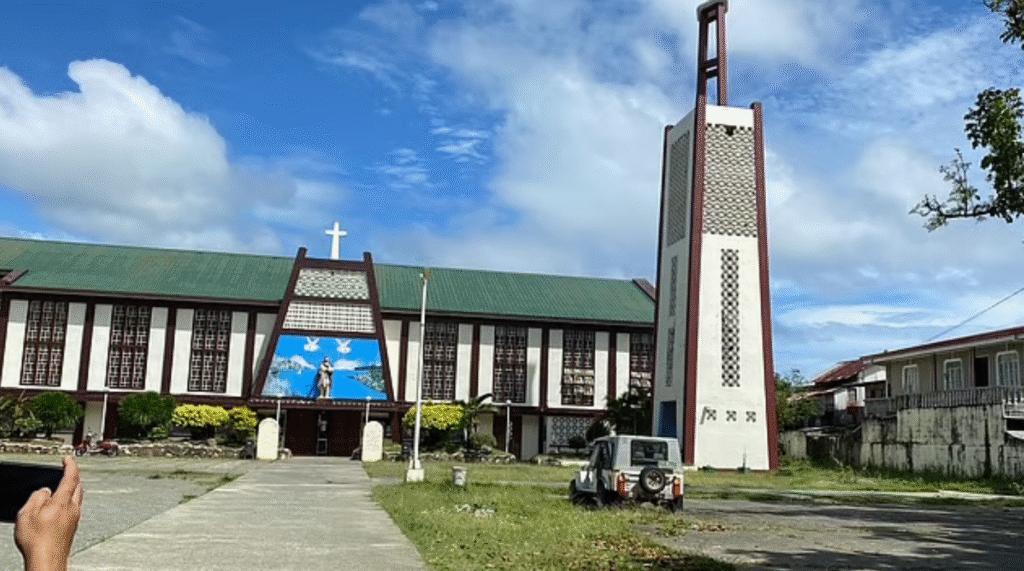
This town, often overlooked, holds the richest concentration of heritage homes in the province — whole streets where history lingers, and modernity has only lightly touched.
A Seaside Town Frozen in Time
Recognized as the “Heritage Town of Oriental Mindoro,” Pola boasts a cluster of ancestral houses that date back as early as the Spanish colonial period. Each home reflects a unique blend of Filipino, Spanish, and American influences, captured in stone bases, hardwood frames, and decorative details that have withstood generations.
Among the oldest is the Venturanza House, now more than a century old, its black-and-brown façade standing as proof of enduring craftsmanship. Not far away, the Rabulan House preserves its original charm, carrying the weight of family memories and local resilience through wars and hardships.
Walking along these streets feels like stepping into an old photograph, where electric posts and lamps are the only reminders that time has indeed moved forward.
Every House with a History
Each corner of Pola carries its own tale. On Quijano Street, the Genabe Ancestral House recalls the life of Don Vicente Vargas Genabe, once a community leader. Just nearby, the Raymundo House represents the legacy of maestro Guillermo Raymundo, an educator dedicated to teaching the Spanish alphabet.
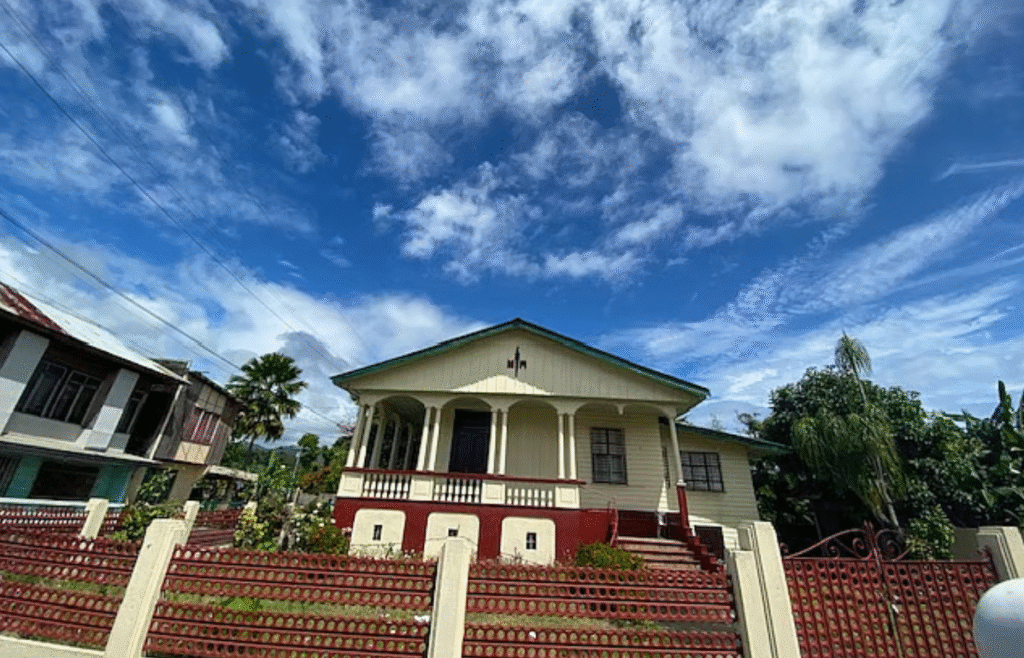
The Divino House, home of the “People’s Doctor” Galicano Asinas Divino, reflects compassion and service, while the Orosa-Martinez House holds wartime echoes, believed to have been used as a Japanese garrison during World War II.
Beyond their walls, the sea breeze carries voices of bygone days — of fiestas, Holy Week observances like the Moriones, and childhood laughter echoing in the narrow streets.
Preserving the Past for the Future
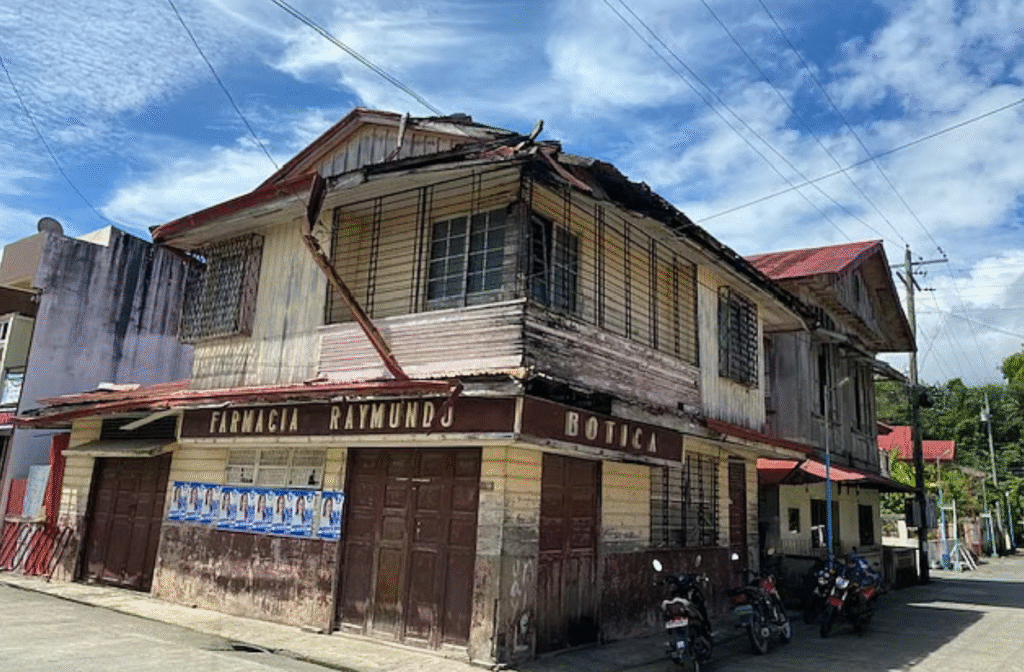
Yet Pola’s treasures face threats from nature itself — salty air slowly eroding wood, stone, and metal. Thankfully, local champions are working to save them. Edgar Genabe, a municipal employee and heritage enthusiast, has compiled over 1,400 pages of Pola’s rich past, while Engr. Jerome Galler-Pascual pushes for disaster risk planning and careful restoration efforts.
The town government, alongside homeowners, is pursuing the declaration of a Heritage Zone under the National Cultural Heritage Act. Proposed projects include cobblestone roads, vintage-style lamps, and the adaptive reuse of houses as cafés, museums, or homestays. The vision: to make Pola the “Vigan of the South.”
Why Pola Matters
What sets Pola apart is not just its heritage structures, but the way these continue to define the town’s soul. While it has produced notable personalities such as former Vice President Noli de Castro, Mayor Ina Alegre, and actor-politician Ejay Falcon, the heart of Pola lies in its people — families who keep these homes alive with stories and traditions passed from one generation to the next.
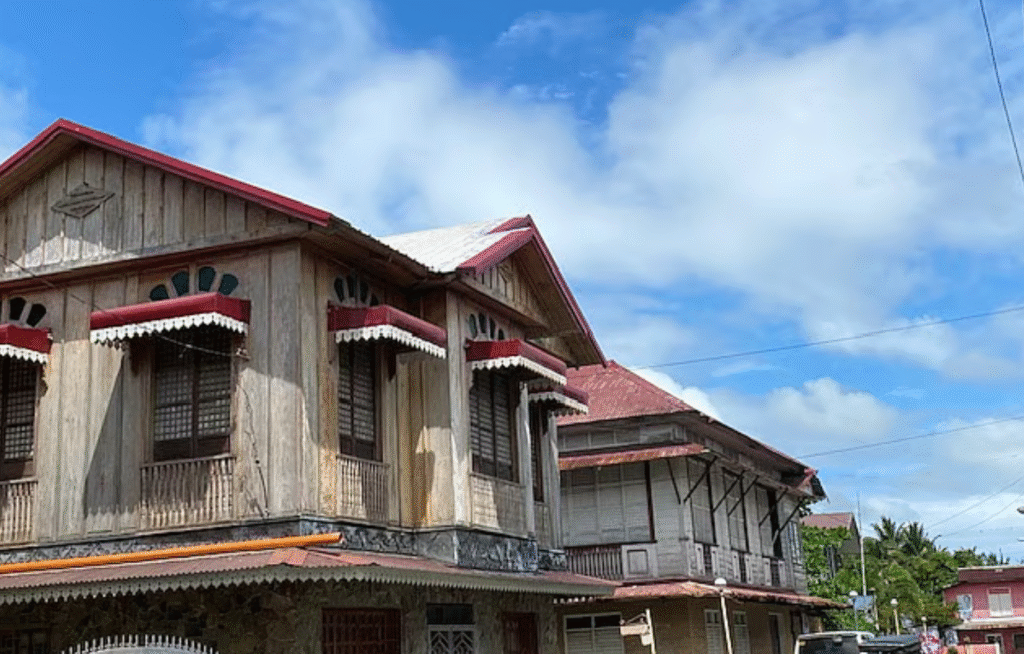
Reaching Pola isn’t effortless; it requires a ferry ride from Batangas followed by a road trip inland. But this journey, framed by sea and mountain views, offers travelers something rare — the chance to rediscover Filipino identity through a living tapestry of culture and architecture.
Pola is more than a tourist stop. It is a chapter of Philippine history preserved in wood and stone — a reminder that the road to the future must always pass through the pathways of our past.
Original content posted by Jefferson Fernando