
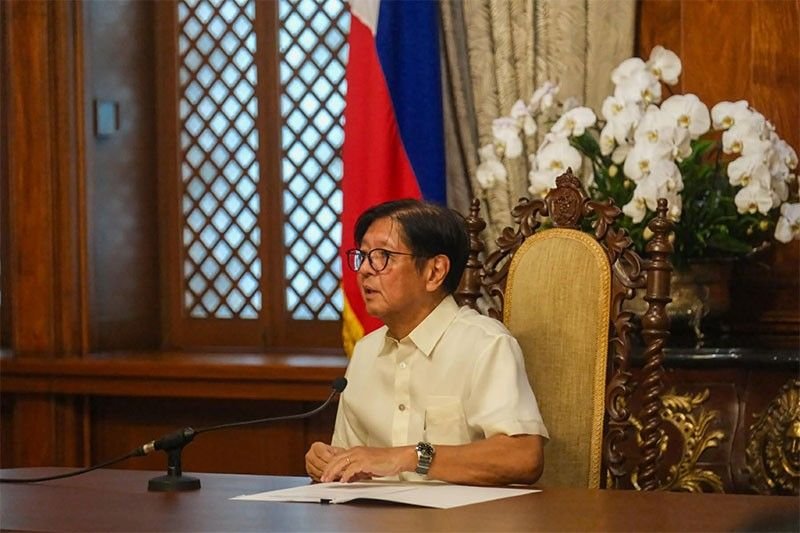
In an effort to alleviate public concern over the depreciating Philippine peso, President Ferdinand Marcos Jr. addressed fears during a recent interview following his visit to the New Bilibid Prison in Muntinlupa City. He urged citizens not to panic amid the peso's decline against the US dollar.
Marcos specifically advised the public to 'not take it with alarm', assuring them that the government is actively working to stabilize the currency. The peso recently hit a new low of 64.18 per US dollar, slightly weaker than the previous record of 64.17.
The president attributed the peso's decline to rising global crude oil prices driven by ongoing tensions in the Middle East, as well as the increasing costs of oil and petroleum products. He affirmed the government's commitment to maintain the currency's stability and mitigate the impact of a strong dollar on the local economy.
In response to concerns about rising prices of essential goods and food, Marcos promised that the government would monitor these developments closely. He emphasized that measures are in place to protect the peso and lessen the burden on Filipino families facing inflation due to higher oil prices and other essential commodities.
Frequently Asked Questions
What did President Marcos say about the peso's decline?
President Marcos urged the public not to panic in response to the peso's decline, assuring that the government is taking steps to stabilize the currency.
What is the current exchange rate of the Philippine peso to the US dollar?
The peso recently reached a new low of 64.18 to 1 US dollar.
What factors are contributing to the peso's depreciation?
The depreciation of the peso is linked to rising global crude oil prices and tensions in the Middle East.
Reporting by Joey Bengzon for Rapport Philippines. This report was prepared from available source material and reviewed for factual consistency. Further verified updates will be added as the newsroom receives them.