
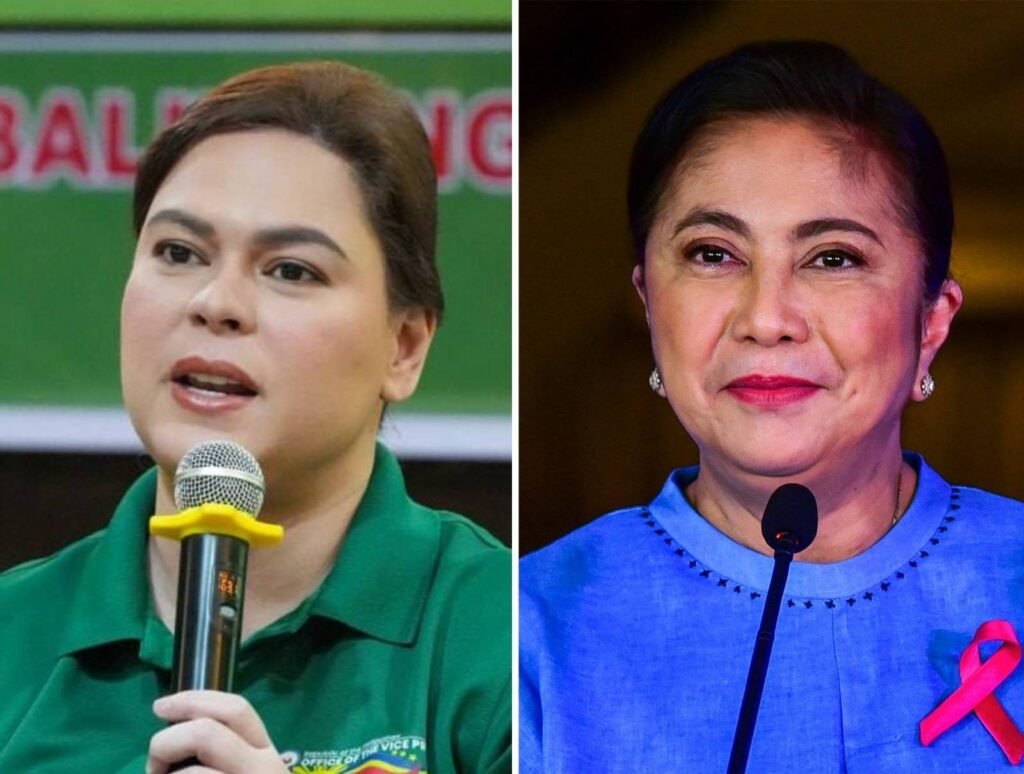
OCTA Research has responded firmly to accusations of bias regarding its hypothetical election surveys for the 2028 presidential race in the Philippines, particularly concerning Naga City Mayor Leni Robredo. The polling firm issued a statement on November 13, asserting the legitimacy of its methodology and findings.
The company explained that its surveys measuring voter preferences through head-to-head and tandem matchups differ from those involving longer candidate lists. It emphasized that trends can only be reliably assessed within a single survey series, dismissing claims that Robredo's support showed a statistically significant decline. According to OCTA, her approval slipped slightly from 35% in March to 33% in its latest survey conducted September 28 to October 4, all within the margin of error.
In contrast, Vice President Sara Duterte's support declined more notably from 46% to 40%. OCTA referred to comparable results from Pulse Asia, which indicated an increase in Robredo's popularity—a rise from 13% to 26% between February and September. The firm urged caution against directly comparing results from different polling organizations due to variations in survey designs.
Additionally, OCTA highlighted its recent surveys showing a dip in President Ferdinand Marcos Jr.’s trust and performance ratings, arguing that impartiality is evident in their reporting. They reiterated that their surveys are not commissioned by political groups and serve the public as an independent service.
The defense follows criticism from a newspaper column suggesting that OCTA's surveys were tailored to favor Robredo. OCTA rebuked this claim, indicating that the column made improper comparisons without addressing specific methodological flaws. They accentuated that their work encourages scrutiny but urged stakeholders to uphold fairness and accuracy in their discussions.
Frequently Asked Questions
What did OCTA Research say about allegations of bias in their surveys?
OCTA Research rejected claims of bias, stating that its surveys measure different voter preferences and maintain a consistent methodology.
How did Leni Robredo's survey numbers change according to OCTA's findings?
Robredo's support decreased slightly from 35% in March to 33% in the recent survey, remaining within the margin of error.
What did OCTA highlight to counter allegations of favoritism?
OCTA pointed to the declining trust ratings of President Ferdinand Marcos Jr. and maintained that their surveys are independent and not commissioned by political entities.
Reporting by Ashley Romero for Rapport Philippines. This report was prepared from available source material and reviewed for factual consistency. Further verified updates will be added as the newsroom receives them.