
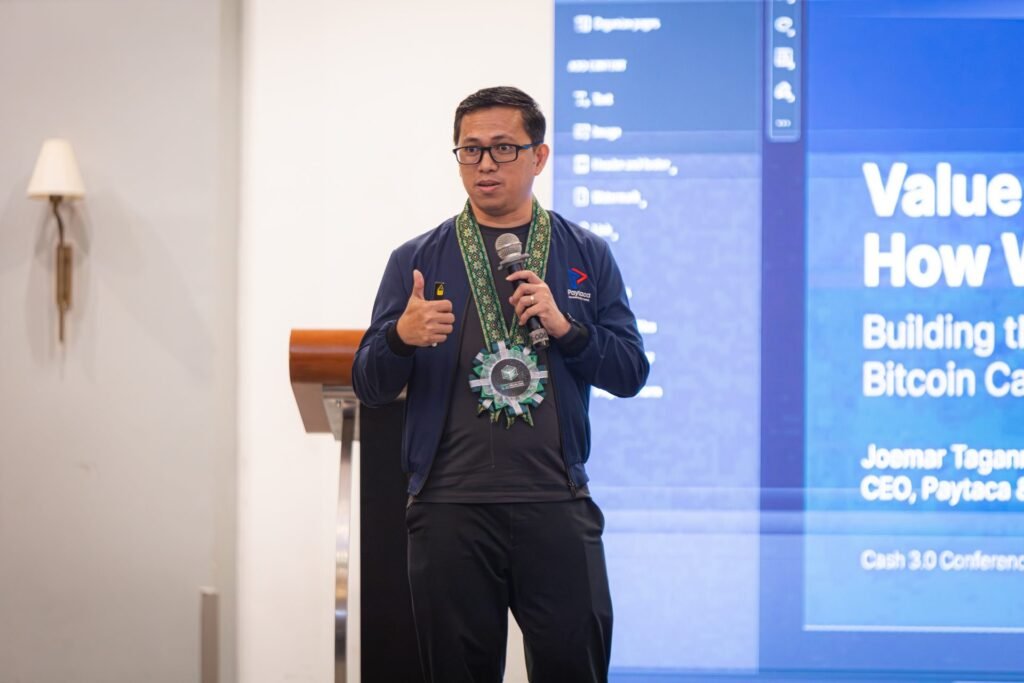
CEBU CITY, Philippines–Developers, entrepreneurs, students, merchants, and Bitcoin Cash advocates gathered in Cebu City from July 31 to August 2 for the Cash 3.0 Conference, a three-day event showcasing how blockchain technology can move beyond speculation and into practical, everyday applications.
Organized by Paytaca, a Philippine technology company founded and headquartered in Tacloban City, the event brought together a conference, student hackathon, and public bazaar, giving participants opportunities not only to discuss peer-to-peer digital money but to see and use applications built around it.
The event centered on the idea of “Cash 3.0” — the next evolution of money after physical cash and conventional digital payments.
While physical cash allows people to transact directly, it is limited by geography. Modern digital payment systems make transactions more convenient but generally depend on banks, payment processors, and other intermediaries. Cash 3.0 envisions internet-native money that retains the peer-to-peer characteristics of physical cash while gaining the global reach and programmability of digital technology.
From discussion to working applications
Rather than focusing primarily on cryptocurrency trading and investment, the conference highlighted applications designed to solve practical problems.
Paytaca and other developers demonstrated projects involving retail payments, payroll, freelancing, artificial intelligence, vending and cash machines, digital provenance, rewards, and other peer-to-peer services built using Bitcoin Cash.
Among the technologies presented was the Paytaca NFC Card, which is designed to make self-custodial digital currency payments as simple as tapping a conventional payment card. The system combines NFC technology with Bitcoin Cash smart contracts while allowing users to retain control over their funds.
Other projects showcased during the conference included Wagey, a payroll platform; WorkHippo, a peer-to-peer freelancing marketplace; PurelyPeer, a gamified advertising platform; Paytaca AI, a pay-per-use artificial intelligence service; and Paytaca POS for merchants.
The demonstrations reflected one of the central messages of the conference: blockchain technology will ultimately be judged not by speculation surrounding digital assets, but by whether useful products and services can be built with it.
“Technology creates lasting value when ordinary people can actually use it,” said Paytaca President and CEO Joemar Taganna. “Our objective with Cash 3.0 was to bring together people who are building practical solutions and then put those solutions in front of real users.”
Students build the next generation of applications
Running alongside the conference was the Cash 3.0 Hackathon, which brought student developers from different colleges and universities together to build applications using Bitcoin Cash and CashScript, a programming language for creating smart contracts on the network.
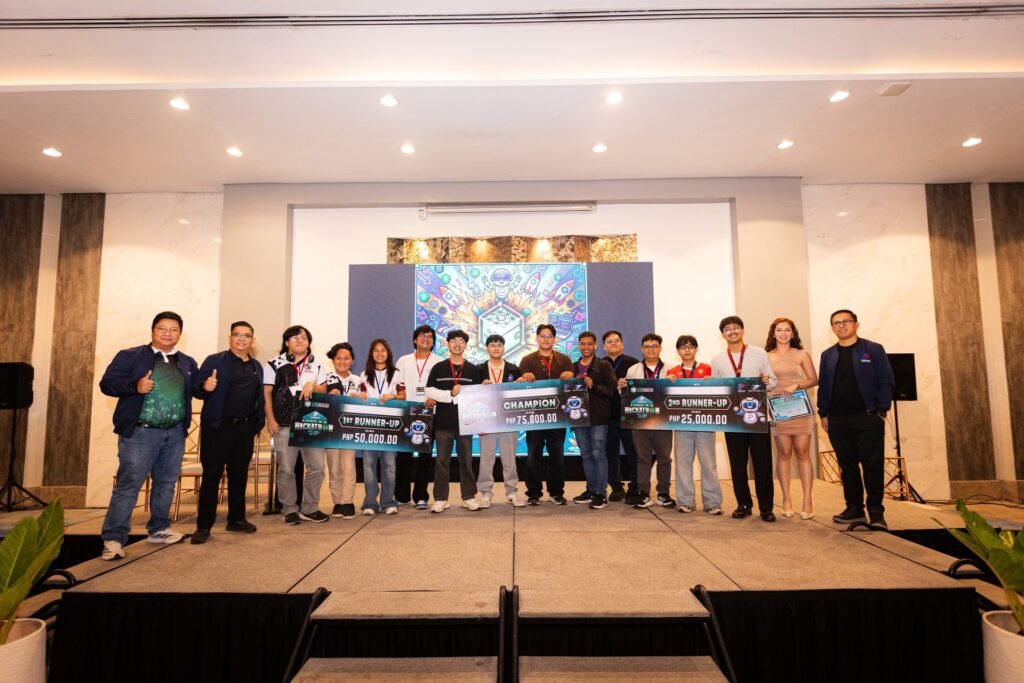
University of Cebu–Lapu-Lapu and Mandaue emerged as the overall champion, followed by ACLC College of Ormoc as first runner-up and University of Cebu Main Campus as second runner-up.
Several teams were also recognized for specific achievements.
ACLC College of Ormoc received the Best CashTokens Project award for ProofPass, while the University of San Jose–Recoletos received Best Use of CashScript for eSahod. STI College Ormoc won Best UI/UX for Pasada, and ACLC College of Tacloban received Best Merchant Solution for SmartClipCash. University of Cebu Main Campus received the Most Promising Startup Idea award for Hermes.
For the organizers, the hackathon was particularly important because it demonstrated that blockchain development does not have to remain concentrated in established technology centers overseas or in Metro Manila.
Young Filipino developers can learn the technology, identify problems in their own communities, and build applications that can potentially serve users anywhere in the world.
“The most encouraging part of Cash 3.0 was seeing students, developers, businesses and the community come together in one place,” said Aaron James Almadro, Chief Marketing Officer of Paytaca. “We wanted people to experience Bitcoin Cash not simply as something they hear or read about, but as technology they can actually build with, accept in their businesses and use in everyday transactions. That is how an ecosystem grows — by bringing builders and users together.”
A marketplace where digital cash was actually used
Cash 3.0 also extended outside the conference hall through a three-day bazaar at Robinsons Galleria Cebu.
The bazaar allowed merchants and attendees to experience Bitcoin Cash in an actual commercial environment, turning the event into a live demonstration of a peer-to-peer digital economy rather than simply a series of presentations about one.
The combination of the bazaar, conference, and hackathon was intentional. Organizers wanted Cash 3.0 to bring together the different participants needed for a technology ecosystem: developers who build products, entrepreneurs who turn them into businesses, merchants who accept new payment methods, and consumers who ultimately decide whether the technology provides value.
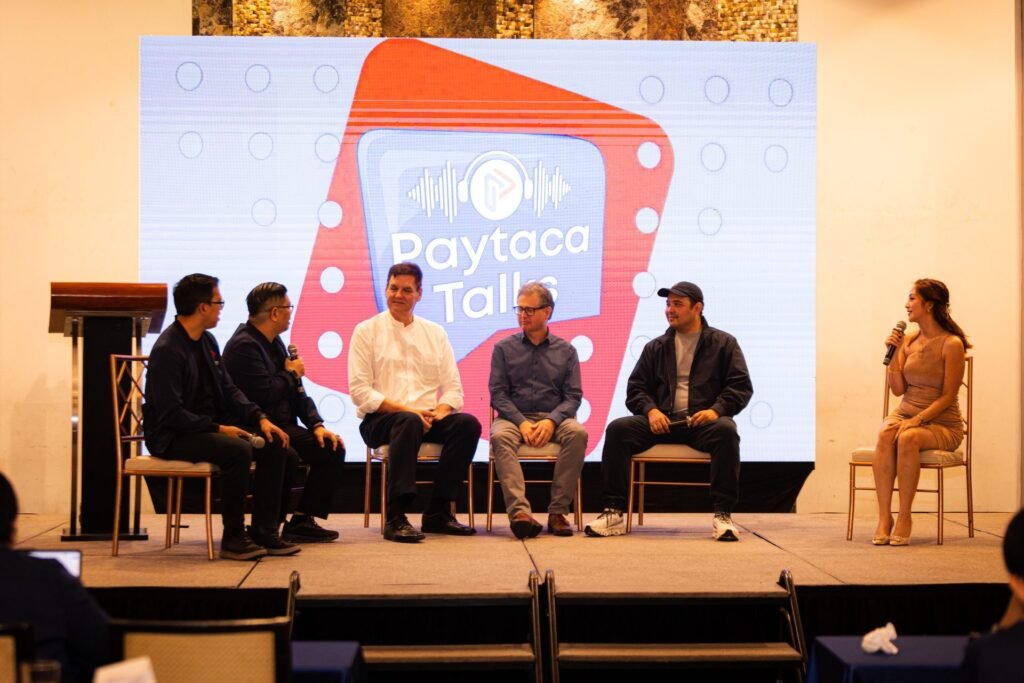
The conference itself featured speakers and contributors from the Philippines and abroad discussing the development and adoption of peer-to-peer electronic cash.
Topics ranged from merchant adoption and artificial intelligence to the legal foundations of self-custody and peer-to-peer finance.
Among the speakers were Noel Lovisa, CEO of Code Valley; Gareth, a longtime Bitcoin Cash advocate involved in adoption initiatives; British surgeon and Bitcoin Cash contributor Saqib Noor; and Filipino fintech lawyer Atty. Rafael Padilla.
Padilla discussed the legal dimensions of self-custody and peer-to-peer finance, an increasingly important issue as blockchain applications evolve beyond centralized cryptocurrency exchanges.
Technology innovation from the regions
The successful staging of Cash 3.0 also carried significance for technology development outside Metro Manila.
Paytaca was founded in Tacloban City in 2018 and remains headquartered there. From Eastern Visayas, the company has developed products intended for users and markets well beyond the region, centered on its vision of making peer-to-peer electronic cash practical for everyday commerce.
Holding Cash 3.0 in Cebu brought together two important technology communities in the Visayas and demonstrated that emerging technology companies do not necessarily have to originate from Metro Manila to build products for national and global markets.
Cebu already has an established technology, startup, education, and business community. Combined with emerging technology companies and developer communities elsewhere in the Visayas, this provides an opportunity for the region to participate not only as a consumer of technologies developed elsewhere but as a place where new financial and digital technologies are designed, tested, and commercialized.
For Paytaca, the event was also an opportunity to demonstrate what a homegrown Philippine technology company can build for a global market.
The company has focused on Bitcoin Cash as infrastructure for peer-to-peer commerce, developing products ranging from its self-custodial mobile wallet and merchant payment systems to NFC payments and artificial intelligence services.
But Taganna said the larger objective of Cash 3.0 goes beyond any single company.
“We want more builders,” he said. “If we want the Philippines to participate meaningfully in emerging technologies, we cannot be satisfied with simply using products created elsewhere. We need students, developers and entrepreneurs who are capable of creating the technology and businesses themselves.”
Building an economy, not just a technology
The conclusion of Cash 3.0 left participants with a broader challenge: transforming promising technology into products that people genuinely need and are willing to use.
That means developing better user experiences, creating sustainable businesses, educating users and merchants, and building applications capable of competing with existing financial and technology platforms.
The successful staging of the three-day event offered a glimpse of what such an ecosystem could look like — students building applications, entrepreneurs presenting products, merchants accepting payments, and users experiencing peer-to-peer digital commerce firsthand.
For Cebu, Eastern Visayas and the wider Philippine technology community, Cash 3.0 demonstrated that conversations about the future of money need not remain theoretical.
That future can also be built — and tested — here. (Contributed photos)