
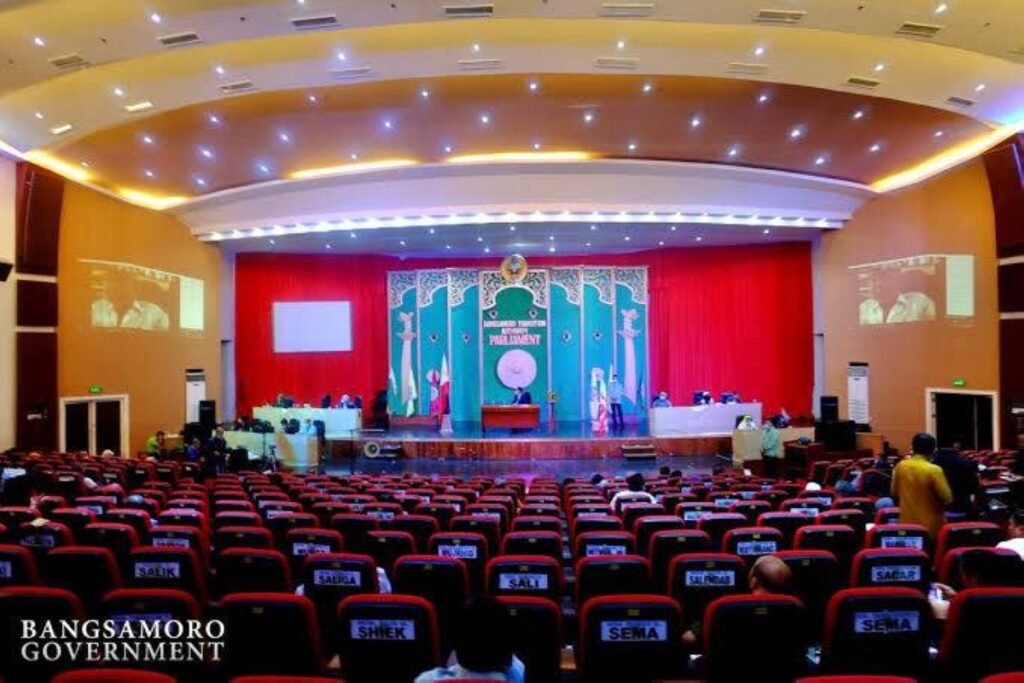
In Cotabato City, the Bangsamoro Parliament is undergoing an aggressive legislative initiative to ensure the timely passage of the proposed General Appropriations Act of the Bangsamoro (GAAB) before its December adjournment. This proactive approach aims to prevent potential budget standoffs while securing consistent funding for vital infrastructure projects and social services throughout the autonomous region.
The current legislative agenda focuses on thoroughly examining regional expenditure plans, emphasizing the importance of maintaining smooth public spending and effective civil service operations. Parliamentary leaders stressed that expediting the budget hearings is crucial for establishing fiscal predictability for various regional ministries, local government units, and institutional partners as the new fiscal year approaches.
Under the guidance of the parliamentary bureau and key committee chairs, lawmakers are conducting extensive sessions for line-by-line evaluations of agency budget allocations. The Ministry of Basic, Higher, and Technical Education is anticipated to receive the largest portion of regional funds, which will be targeted toward improving school infrastructure, teacher salaries, and expanding scholarship programs. Additionally, significant allocations are being prioritized for the Ministry of Health and the Ministry of Public Works to enhance healthcare systems and complete critical road networks.
The assembly is also reviewing budget plans for social welfare initiatives under the Ministry of Social Services and Development, aimed at ensuring that safety nets remain in place for vulnerable communities. Alongside the annual budget proceedings, lawmakers are looking into extending financial measures to safeguard unspent capital allocations from lapsing, which is crucial for facilitating long-term infrastructure commitments.
These fiscal continuity measures are essential as they empower ministries and executive offices to allocate multi-year infrastructure funds beyond the standard fiscal calendar. Leaders in Parliament noted that provisions allowing fiscal rollovers will mitigate the risks of project abandonment that often arise due to administrative delays in procurement and field validation.
Moreover, special development funds designed for former combatants and community rehabilitation in conflict-stricken areas are also included in these protective provisions. The Ministry of Finance and Budget Management has provided a detailed compliance framework to ensure rigorous oversight of all rollover expenditures, which is fundamental for maintaining fiscal integrity.
To assist newly formed municipalities and villages lacking initial national tax allocations, local government support mechanisms are integrated into the budget package. The appropriations plan also maintains funding for essential judicial operations, including both Shari’ah and regular courts within the region, ensuring that legal frameworks are adequately supported in the governance structure.
Members of Parliament emphasized that moral governance should guide the entire budget review process, reflecting a commitment to ethical financial practices. The ongoing plenary discussions are anticipated to conclude before the planned legislative recess in mid-December, allowing the chief minister to sign the appropriation bill into law efficiently.
Once enacted, this annual appropriations law will take effect 15 days after being published in widely circulated regional newspapers. A prompt budget enactment will prevent the autonomous region from resorting to a re-enacted spending framework, which could lead to delays in vital infrastructure and social development projects. Parliamentary leadership remains optimistic about meeting the established timelines, ensuring a seamless transition of government programs into the next fiscal year.
Frequently Asked Questions
What is the purpose of the Bangsamoro Parliament's legislative blitz?
The legislative blitz aims to pass the General Appropriations Act of the Bangsamoro and enact key fiscal continuity measures to avoid budget impasses and ensure uninterrupted funding for essential services and infrastructure.
Which ministry is receiving the largest share of the regional budget?
The Ministry of Basic, Higher, and Technical Education is expected to receive the largest allocation, focusing on school infrastructure, teacher compensation, and expanded scholarship programs.
What measures are being considered to ensure effective use of unexpended capital outlay?
Lawmakers are looking at financial extension bills to preserve unspent capital outlay allocations, allowing ministries to obligate multi-year infrastructure funds beyond the current fiscal calendar.
Reporting by Teddy Coranes for Rapport Philippines. This report was prepared from available source material and reviewed for factual consistency. Further verified updates will be added as the newsroom receives them.