
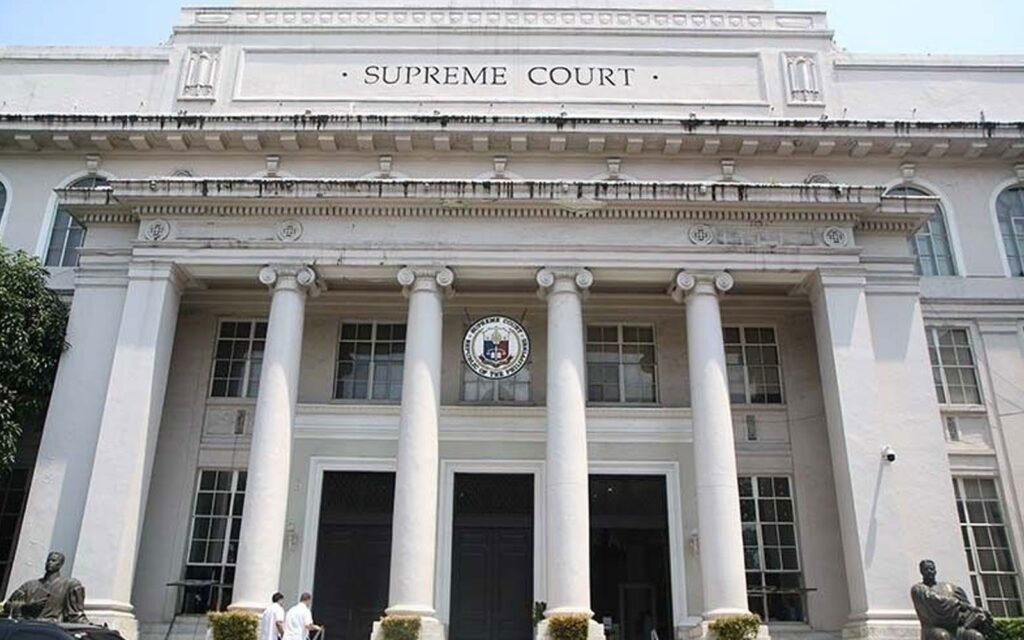
The Supreme Court of the Philippines has dismissed combined habeas corpus petitions questioning the arrest of former President Rodrigo Duterte, citing that the matter is now moot due to his detention in the Netherlands.
In a statement made on Tuesday, the Court explained that since Duterte is already under the custody of the International Criminal Court (ICC) in The Hague, local courts in the Philippines cannot enforce the writ of habeas corpus.
The ruling, issued on November 11, 2026, was led by Chief Justice Raul Villanueva Zalameda. The decision, penned by Associate Justice Japar Dimaampao, was supported by nine justices, while four dissented. Associate Justice Samuel Gaerlan did not participate in the decision due to official duties.
Following Duterte's arrest in March 2025, his children—Paolo, Sebastian, and Veronica—filed separate petitions challenging the legality of his detention and sought his release.
The Office of the Solicitor General (OSG) argued that the petitions were no longer relevant because the writ of habeas corpus issued by local courts cannot be enforced outside the Philippines. They also emphasized that Duterte's arrest aligns with international obligations.
The Court clarified that while the petitions were dismissed, this does not imply that the arrest and transfer of Duterte to the ICC are legal, nor does it negate any potential violations of his constitutional rights. Allegations regarding any rights violations must follow appropriate legal procedures, rather than through habeas corpus petitions.
Frequently Asked Questions
What did the Supreme Court decide regarding Duterte's habeas corpus petitions?
The Supreme Court dismissed the petitions, stating the matter is moot since Duterte is in custody of the International Criminal Court in the Netherlands.
Who led the Supreme Court's ruling on the Duterte case?
The ruling was led by Chief Justice Raul Villanueva Zalameda and was supported by nine justices.
What should allegations of rights violations against Duterte follow?
Any allegations of rights violations should be submitted through proper legal processes, not habeas corpus petitions.
Reporting by Gerald Queen for Rapport Philippines. This report was prepared from available source material and reviewed for factual consistency. Further verified updates will be added as the newsroom receives them.