
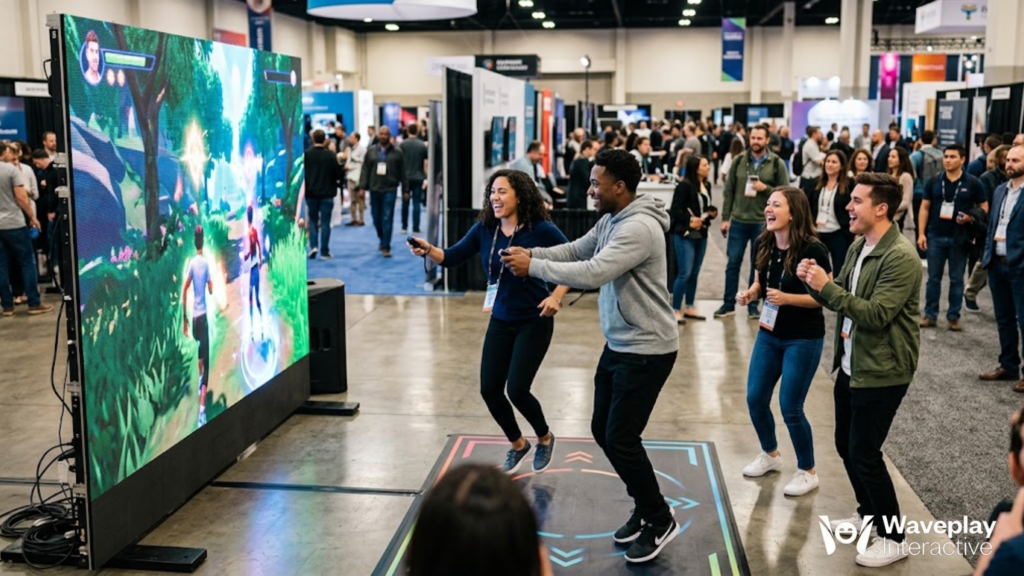
Event organisers are constantly looking for ways to attract attention and keep visitors engaged. Traditional displays can communicate information, but interactive experiences give audiences a reason to participate. motion games are becoming a popular option because they combine physical movement, technology and entertainment. Alongside digital games, immersive games, touch screen games, and interactive games, they can transform passive event visitors into active participants.
Turning Movement into Engagement with Motion Games
One reason motion games work well at events is their ability to encourage immediate participation. Instead of asking visitors to simply watch a presentation or read information, these experiences invite them to move, react and compete.
Motion-based activities can include sports challenges, dance competitions, reflex games and movement-controlled adventures. The simple act of moving in front of a screen can create an entertaining experience that attracts attention from both participants and spectators.
For brands, this creates opportunities to incorporate logos, products, colours and campaign messages into the gaming environment without making the experience feel like a conventional advertisement.
Making Technology More Approachable with Digital Games
Technology can sometimes feel intimidating, particularly when audiences encounter unfamiliar equipment or complicated interfaces. Digital games can make technology easier to approach by presenting it through familiar and enjoyable activities.
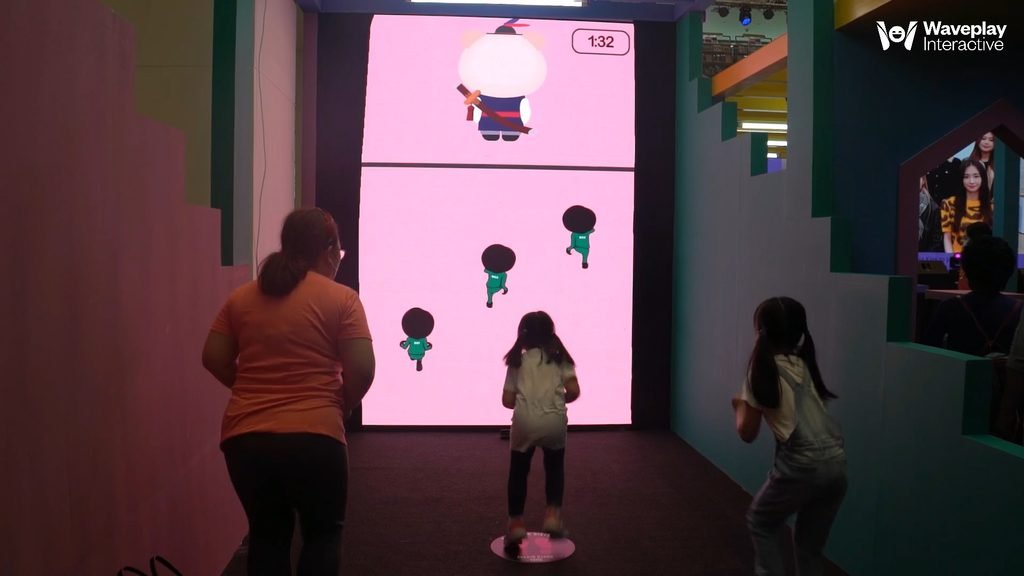
At exhibitions, conferences and brand activations, organisers can use games to introduce visitors to a product, service or campaign. A short challenge can encourage people to interact with technology while providing an opportunity to communicate key messages.
Because digital games can be adapted to different audiences, event organisers can develop experiences suitable for children, families, professionals or general consumers.
Creating Memorable Experiences with Immersive Games
Audience expectations are changing, and many visitors now look for experiences they can remember and share. Immersive games can contribute to this by creating environments where participants feel involved in the action.
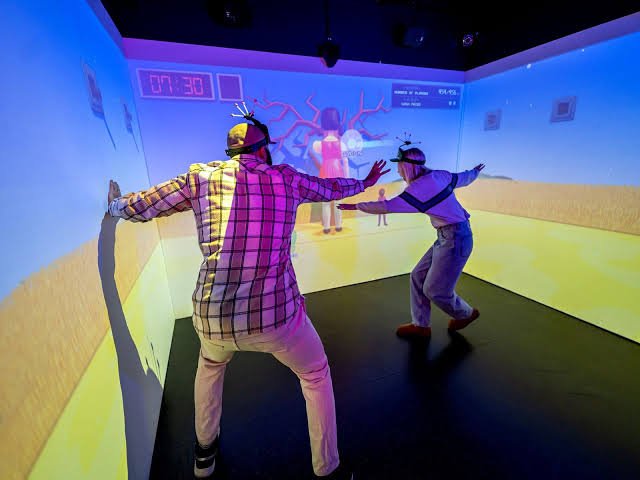
Large displays, motion sensors, sound effects and responsive visuals can work together to create a stronger sense of immersion. An immersive games installation can transport participants into a virtual race, adventure, sporting challenge or branded world.
These experiences can also generate social content. Participants and spectators may photograph or record the activity, extending the event experience onto social media.
Why Touch Screen Games Encourage Interaction
Not every participant wants to engage in a physically demanding activity. Touch screen games offer a more accessible alternative while maintaining the interactive element.
Participants can tap, swipe, drag or select objects to complete challenges. These games can be used for quizzes, product discovery, puzzles, competitions and educational activities.
Because touch screen games are relatively intuitive, visitors can often begin playing with minimal instructions. This reduces barriers to participation and makes them suitable for busy event environments where people may only have a few minutes to engage.
Building Participation Through Interactive Games
The success of interactive games depends on more than technology. The experience should be easy to understand, visually appealing and rewarding enough to encourage participation.
Event organisers can introduce points, prizes, leaderboards or timed challenges to create a sense of excitement. For corporate events, games can also encourage teamwork and communication among participants.
When designed around a campaign objective, interactive games can simultaneously entertain audiences and reinforce a brand message.
Making Events More Active and Engaging
The growing popularity of motion games reflects a wider shift towards participation-driven event experiences. Rather than simply displaying content, organisers can invite visitors to become part of the experience through digital games, immersive games, touch screen games, and interactive games.
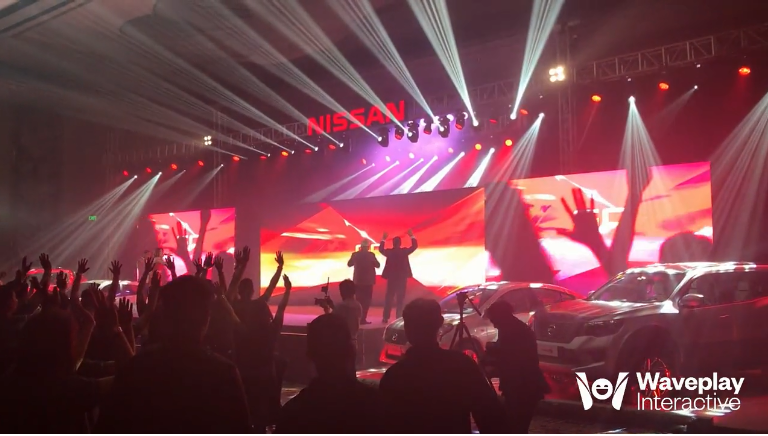
These technologies can help create more dynamic environments where entertainment and brand communication work together. Whether an event aims to attract foot traffic, increase dwell time or encourage social sharing, interactive gaming can provide a flexible way to engage modern audiences.
For organisations planning their next event, Waveplay Interactive can help create engaging gaming experiences that turn visitors into active participants and make every event more memorable.